
Barefoot-Style Shoes Strengthen Feet Like Targeted Exercises
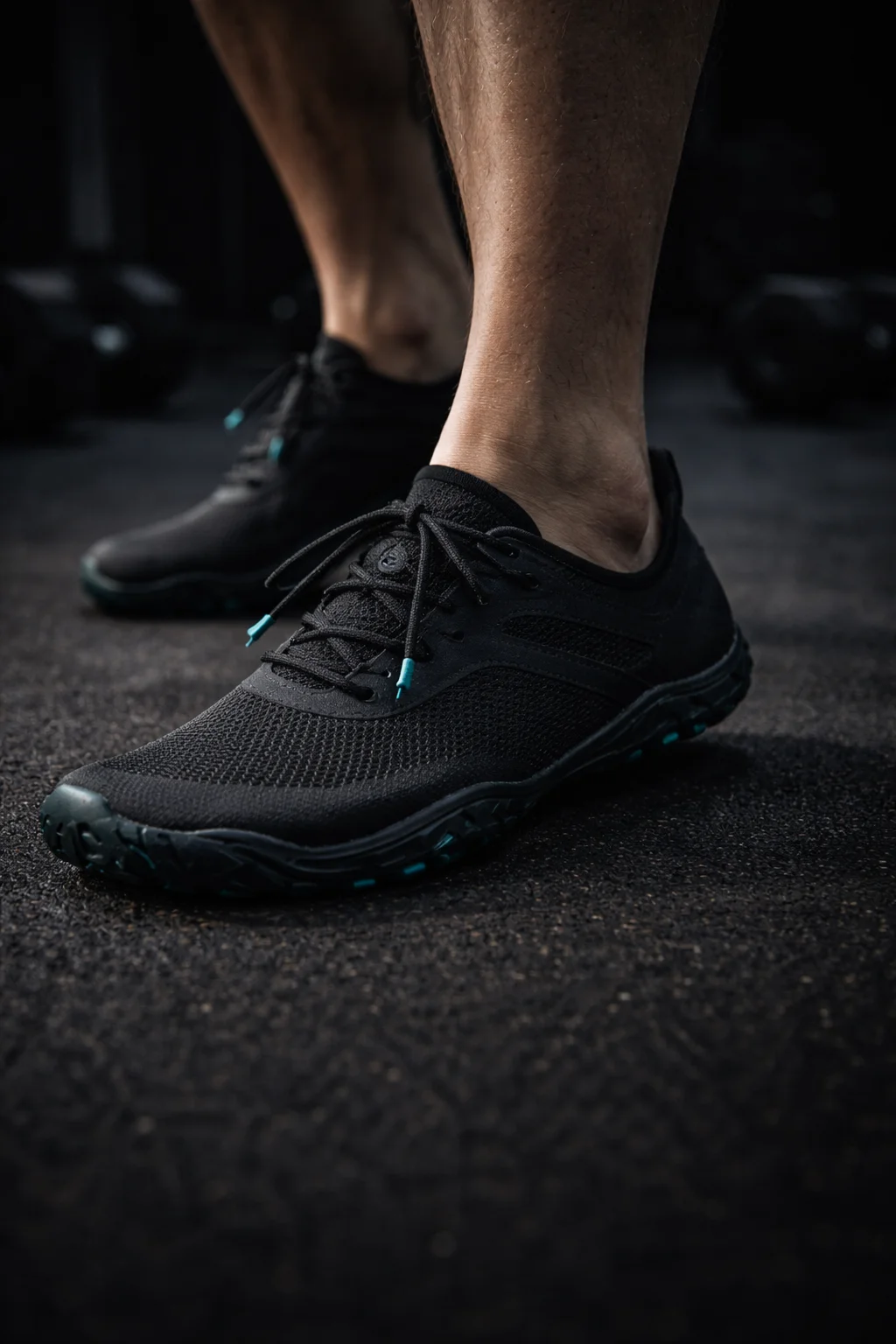
You know you should strengthen your feet. The physical therapist gave you the exercises. Short-foot drills, toe curls, towel scrunches. You tried them for a week, maybe two. Then life happened. The exercises required time, focus, and remembering to do them. They fell off your priority list, joining the graveyard of well-intentioned habits that never stuck.
You're not alone. Foot strengthening is universally acknowledged as beneficial but rarely practiced with consistency. The intrinsic muscles of the foot play critical roles in stability, force transmission, and injury prevention. But targeting them requires dedicated exercises that feel tedious and disconnected from actual movement. Most people simply don't do them.
Meanwhile, minimalist and barefoot-style shoes have generated polarized debates. Advocates claim they strengthen feet naturally by removing artificial support. Critics argue that footwear alone can't replace intentional training. Both sides make intuitive arguments, but intuition isn't evidence.
A controlled intervention study tested this question directly by comparing three groups over several weeks: one performing structured foot exercises, one walking in minimalist shoes without exercises, and a control group doing neither. Researchers measured intrinsic foot muscle size and strength before and after to determine whether changing footwear could truly substitute for dedicated training. The results challenge conventional assumptions about how we strengthen the foundation of human movement.
The Research Question: Footwear as Training Tool?
The study's primary objective was both focused and highly practical. Researchers wanted to determine whether habitual walking in minimalist footwear (characterized by minimal cushioning and structural support) increases intrinsic foot muscle size and strength as effectively as a dedicated foot-strengthening exercise program.
This question matters because it tests whether environmental modification (changing shoes) can produce the same adaptations as behavioral modification (performing exercises). If true, it offers a passive strengthening strategy that doesn't require additional time, motivation, or adherence beyond shoe choice.
Key Distinction: This study didn't ask whether minimalist shoes feel different or change running mechanics. It asked whether they measurably strengthen foot muscles through normal daily walking, using the same objective measures applied to exercise interventions.
Study Design: Three Paths to Foot Strength
Randomized Intervention With Three Groups
The researchers conducted a randomized intervention trial comparing three distinct approaches:
| Group | Intervention | Key Feature |
|---|---|---|
| Foot Strengthening (FS) | Structured exercise program | Targeted intrinsic foot muscle drills |
| Minimalist Shoe Walking (MSW) | Walk in minimalist footwear daily | No exercises, only shoe change |
| Control | Usual footwear and activity | No intervention baseline |
This three-group design is more informative than a simple two-group comparison. It allows researchers to determine not just whether minimalist shoes work, but whether they work as well as the gold standard intervention (targeted exercises).
Participants: Healthy Adults New to Minimalist Footwear
Participants were healthy adults who had not habitually used minimalist footwear prior to the study. This selection criterion is critical. It ensures that any observed changes can be attributed to the intervention rather than long-term adaptation from years of minimalist shoe use.
The participants represented a general adult population rather than elite athletes or clinical patients, improving the relevance of findings to everyday movement and typical foot strength levels.
Intervention Duration: Eight Weeks
The intervention lasted approximately eight weeks, a duration consistent with typical minimalist footwear adaptation studies. This timeframe is sufficient to observe measurable changes in muscle size and strength through imaging and functional testing, without extending into long-term lifestyle adaptation that introduces uncontrolled variables.
The Intervention Protocols
Foot Strengthening Exercise Group (FS)
Participants assigned to the FS group completed a structured foot-strengthening program performed regularly throughout the intervention period. The program typically included exercises specifically targeting the intrinsic foot muscles:
- Short-foot exercises - activating the arch muscles to shorten the foot
- Toe flexion and abduction tasks - isolating specific toe and forefoot muscles
- Controlled foot activation drills - progressive strengthening movements
- Balance and stability work - challenging foot muscles under load
These exercises represent the conventional, evidence-based approach to foot strengthening prescribed by physical therapists and strength coaches. They require dedicated time, typically 10-15 minutes several times per week, and consistent adherence.
Minimalist Shoe Walking Group (MSW)
Participants in the MSW group received minimalist footwear and were instructed to walk in them during their normal daily activities. The shoes were characterized by:
- Minimal cushioning - thin soles providing ground feel
- High flexibility - allowing natural foot deformation
- Little to no arch support - requiring intrinsic muscles to stabilize
- Wide toe box - permitting natural toe splay
Critically, participants in this group did not perform additional foot exercises. The intervention relied entirely on normal walking as the stimulus for adaptation. They simply changed what they wore on their feet during their usual daily activities.
Control Group
The control group continued with their usual footwear (typically conventional shoes with cushioning and support) and normal activity patterns. They performed no foot exercises and made no footwear changes. This group provides the baseline against which both interventions can be compared.
Outcome Measurements: Size and Strength
The researchers assessed two primary outcomes before and after the intervention:
- Intrinsic foot muscle size - measured using ultrasound imaging or MRI to directly visualize muscle cross-sectional area
- Foot strength measures - assessed through functional tests measuring force production capacity of foot muscles
These objective, quantitative measures allow direct comparison between interventions and eliminate subjective bias about which approach "should" work better.
Results: Equivalent Strengthening Through Different Paths
The findings were clear and consistent across both muscle size and strength outcomes. Both intervention groups achieved similar adaptations that significantly exceeded the control group.
Intrinsic Foot Muscle Size: Both Groups Grew
Imaging analysis revealed significant increases in intrinsic foot muscle size from baseline to the end of the eight-week intervention:
- Foot Strengthening (FS) group: Significant increase in muscle cross-sectional area
- Minimalist Shoe Walking (MSW) group: Significant increase in muscle cross-sectional area
- Control group: No meaningful change in muscle size
The magnitude of increase was statistically significant in both intervention groups compared with baseline and compared with the control group. Crucially, when the FS and MSW groups were compared directly to each other, the increases were comparable. Walking in minimalist shoes produced muscle growth equivalent to targeted exercises.
Key Finding: Simply changing footwear and walking normally produced the same muscle hypertrophy as dedicating time to isolated foot strengthening drills. The cumulative loading from thousands of steps per day was sufficient to drive measurable structural adaptation.
Foot Strength: Function Followed Structure
Functional strength testing showed a pattern matching the muscle size changes:
- Both FS and MSW groups: Significant improvements in foot strength measures
- Control group: No significant changes in strength
- Between interventions: No meaningful difference between FS and MSW groups
The strength gains in the minimalist shoe group were similar in magnitude to those produced by the structured exercise program. This demonstrates that the muscle growth translated to functional capacity, not just cosmetic size changes.
Statistical Clarity
The statistical analysis revealed:
- Significant time effects for both intervention groups (pre to post changes)
- Significant group effects when comparing interventions to control
- No significant differences between the two intervention groups
This pattern indicates that both approaches work, they work better than doing nothing, and they work about equally well within the study timeframe.
What This Study Actually Proves
Within the carefully defined scope of this eight-week intervention in healthy adults, the evidence supports a clear and practically important conclusion:
Habitual walking in minimalist footwear can increase intrinsic foot muscle size and strength in adults not previously adapted to such footwear. Moreover, the degree of adaptation is comparable to that achieved through a structured foot-strengthening exercise program when interventions are matched in duration.
This demonstrates that direct, isolated exercises are not the only pathway to strengthening the intrinsic foot muscles. Environmental modification through footwear choice can produce equivalent adaptations through normal daily movement.
Mechanistic Interpretation: Why Minimalist Shoes Work
Removing Support Creates Demand
Conventional footwear with cushioning, arch support, and rigid structures essentially does some of the foot's work for it. Minimalist shoes remove these external supports, forcing the foot's intrinsic muscles to:
- Actively stabilize during stance phase of gait
- Control deformation as the foot loads and deforms under body weight
- Generate propulsive force during push-off without assistance from shoe structure
- Absorb and transmit forces without excessive cushioning dampening feedback
This increased neuromuscular demand likely elevates activation of intrinsic foot muscles during every step, effectively turning daily walking into repeated low-level strength training.
Volume Through Repetition
Foot exercises are precise and targeted but typically involve relatively few repetitions (perhaps 30-50 contractions per session, 3-4 sessions per week). Walking, by contrast, involves thousands of steps per day (5,000-10,000+ for moderately active individuals).
The study suggests that cumulative loading from normal gait patterns, when foot support is reduced, provides sufficient volume to drive muscular adaptation. The lower intensity per step is compensated by dramatically higher total volume.
Functional Integration vs Isolation
Foot exercises often isolate muscles in controlled positions. Walking in minimalist shoes trains the intrinsic muscles within the context of actual functional movement patterns. They must stabilize, coordinate, and produce force during dynamic weight-bearing activities rather than in simplified drills.
This functional integration may contribute to strength that transfers more directly to real-world movement demands.
What This Study Does NOT Claim
To avoid overinterpretation, it's important to clearly define what the study does not establish:
No Performance Claims Beyond Foot Strength
The study does not demonstrate improvements in athletic performance, running economy, jump height, sprint speed, or sport-specific skills. It measured foot muscle size and strength only. Whether those improvements translate to enhanced performance in complex activities remains unknown.
No Injury Prevention Evidence
The study does not establish whether stronger foot muscles from minimalist shoes reduce injury risk. While this is often hypothesized, the study did not track injury rates, pain, or clinical outcomes over time.
Limited to Walking
The findings apply specifically to walking in minimalist shoes. Running, jumping, cutting, or high-impact activities may produce different demands, adaptation patterns, or injury risks. The results should not be automatically extended to all movement contexts.
Doesn't Address Optimal Minimalism
The study used minimalist footwear broadly defined but didn't compare different degrees of minimalism (zero-drop vs 4mm drop, 5mm stack vs 10mm stack, etc.). The optimal amount of support reduction for maximizing adaptation while minimizing risk remains unclear.
Practical Applications: Passive Strengthening Strategy
For Those Who Skip Foot Exercises
The primary practical implication is liberating: for individuals who struggle to maintain consistency with foot strengthening exercises (which is most people), wearing minimalist shoes during regular walking may provide a practical alternative that doesn't require dedicated training time.
Instead of carving out 10-15 minutes several times per week for exercises you'll likely abandon, you simply wear different shoes during activities you're already doing. The strengthening happens passively as a byproduct of normal movement.
Integration Into Daily Life
Unlike exercises that require scheduling, motivation, and adherence, footwear choices are integrated seamlessly into daily routines. Once the shoes are on, the intervention happens automatically with every step. This may improve long-term adherence compared with exercise protocols that require ongoing conscious effort.
Gradual Transition Is Non-Negotiable
While the study demonstrates benefits, it does not eliminate the need for caution. Transitioning too quickly to minimalist footwear can increase tissue stress and injury risk, particularly in:
- Plantar fascia (causing plantar fasciitis)
- Achilles tendon (causing tendinopathy)
- Metatarsals (causing stress fractures)
- Calf muscles (causing strains)
Best practices for transitioning:
- Start gradually: Begin with 30-60 minutes per day, 2-3 days per week
- Increase slowly: Add 10-15 minutes per week if no discomfort develops
- Listen to tissues: Pain beyond mild soreness indicates excessive progression
- Mix footwear: Alternate between minimalist and conventional shoes during transition
- Be patient: Full adaptation may take 3-6 months
The strengthening effect depends on habitual use over time, not abrupt change that shocks tissues.
Who Benefits Most?
Minimalist shoe walking for foot strengthening appears most appropriate for:
- Individuals with weak foot muscles who struggle with exercise adherence
- People seeking injury prevention through improved foot function
- Those with sedentary jobs who want to maximize the training effect of limited walking
- Rehabilitation contexts where passive loading complements active exercises
Combining Approaches
The study compared exercises versus minimalist shoes, but nothing prevents combining both approaches. For individuals with significant foot weakness or specific rehabilitation needs, using minimalist shoes for passive strengthening while also performing targeted exercises may produce additive or synergistic benefits.
Study Limitations Worth Noting
Specificity to Walking
Results apply specifically to walking in minimalist shoes, not barefoot activity, running, or sport-specific movements. Different activities create different loading patterns and may require different transition strategies or produce different adaptation rates.
Individual Variability
Responses likely vary based on age, baseline foot strength, body mass, foot structure, previous footwear history, and activity levels. Not all individuals will adapt at the same rate or to the same degree. Some may experience discomfort or injury despite gradual progression.
Measurement Constraints
Muscle size and strength were assessed using imaging and controlled testing. These measures don't capture all aspects of dynamic foot function during complex movements. Improved size and strength don't guarantee improved performance in all contexts.
Limited Duration
Eight weeks is sufficient to detect initial adaptations but doesn't establish long-term outcomes. Whether strengthening continues, plateaus, or regresses with continued minimalist shoe use over months or years remains unknown.
Compliance and Comfort
Minimalist shoes aren't universally comfortable, especially during transition. The study doesn't address dropout rates, comfort issues, or real-world adherence challenges that might limit practical application.
The Bigger Picture: Environmental Modification for Adaptation
This research exemplifies a broader principle in training science: modifying the environment or equipment can create training stimuli that accumulate through normal activity without requiring dedicated exercise time.
Other examples of this principle:
- Standing desks - increase lower body muscle activity throughout the workday
- Weighted vests - increase loading during normal walking
- Grip strengtheners - train grip during commutes or downtime
- Unstable surfaces - challenge balance during routine activities
The common theme: change the context of existing activities rather than adding new activities. This approach may improve adherence because it doesn't require carving out additional time or maintaining motivation for separate training sessions.
Summary: Strength By Default
This controlled intervention study provides compelling evidence for a passive strengthening strategy that challenges conventional exercise prescription.
Primary finding: Habitual walking in minimalist shoes led to significant increases in intrinsic foot muscle size and strength that were statistically equivalent to gains achieved through a structured foot-strengthening exercise program over eight weeks.
Mechanism: Removing external foot support forces intrinsic muscles to work harder during every step of normal walking. The cumulative loading from thousands of daily steps provides sufficient training volume to drive measurable adaptation despite lower intensity per step compared with targeted exercises.
Practical implication: For individuals seeking stronger feet without dedicating time to tedious exercises, minimalist shoe walking offers a viable alternative, provided the transition is gradual and aligned with individual biomechanics and activity levels.
Bottom line: Foot strength doesn't always require isolated drills, towel scrunches, or short-foot exercises that nobody actually does consistently. Sometimes, you can build a stronger foundation simply by changing what you wear on your feet. The strengthening happens automatically, step by step, during activities you're already performing. It's passive adaptation through environmental modification - strength by default rather than design.
References and Further Reading
- Miller EE, Whitcome KK, Lieberman DE, et al. The effect of minimal shoes on arch structure and intrinsic foot muscle strength. Journal of Sport and Health Science. 2014;3(2):74-85. DOI: 10.1016/j.jshs.2014.03.011
- Ridge ST, Johnson AW, Mitchell UH, et al. Foot bone marrow edema after 10-week transition to minimalist running shoes. Medicine & Science in Sports & Exercise. 2013;45(7):1363-1368. PMID: 23439417
- Chen TL, Sze LK, Davis IS, Cheung RT. Effects of training in minimalist shoes on the intrinsic and extrinsic foot muscle volume. Clinical Biomechanics. 2016;36:8-13. PMID: 27135507