
Blog
Explore evidence-based health insights, wellness tips, and technology updates from the SELP team. Our articles are backed by real scientific sources with PMID references, peer-reviewed research, and expert analysis to provide you with trustworthy health information.
Latest Articles

Egg Yolks vs. Egg Whites: Which Builds More Muscle?
For decades, egg whites have been the gold standard in strength nutrition. But does removing the yolk actually help or hurt muscle growth? A controlled study measuring post-exercise muscle protein synthesis reveals surprising results that challenge conventional gym wisdom.

Your High-Dose Vitamin C and E Might Be Sabotaging Endurance Gains
High-dose antioxidant supplements are supposed to enhance recovery and performance. But a controlled trial reveals they may blunt the cellular signals that drive endurance adaptations. Discover why more isn't always better when it comes to vitamins during training.

Booze After Exercise: The Real Muscle Growth Killer?
Post-workout beers are a social ritual for many athletes. But does alcohol consumed after training interfere with muscle recovery? A controlled study measuring muscle protein synthesis reveals the molecular cost of that celebratory drink, even when protein is consumed.
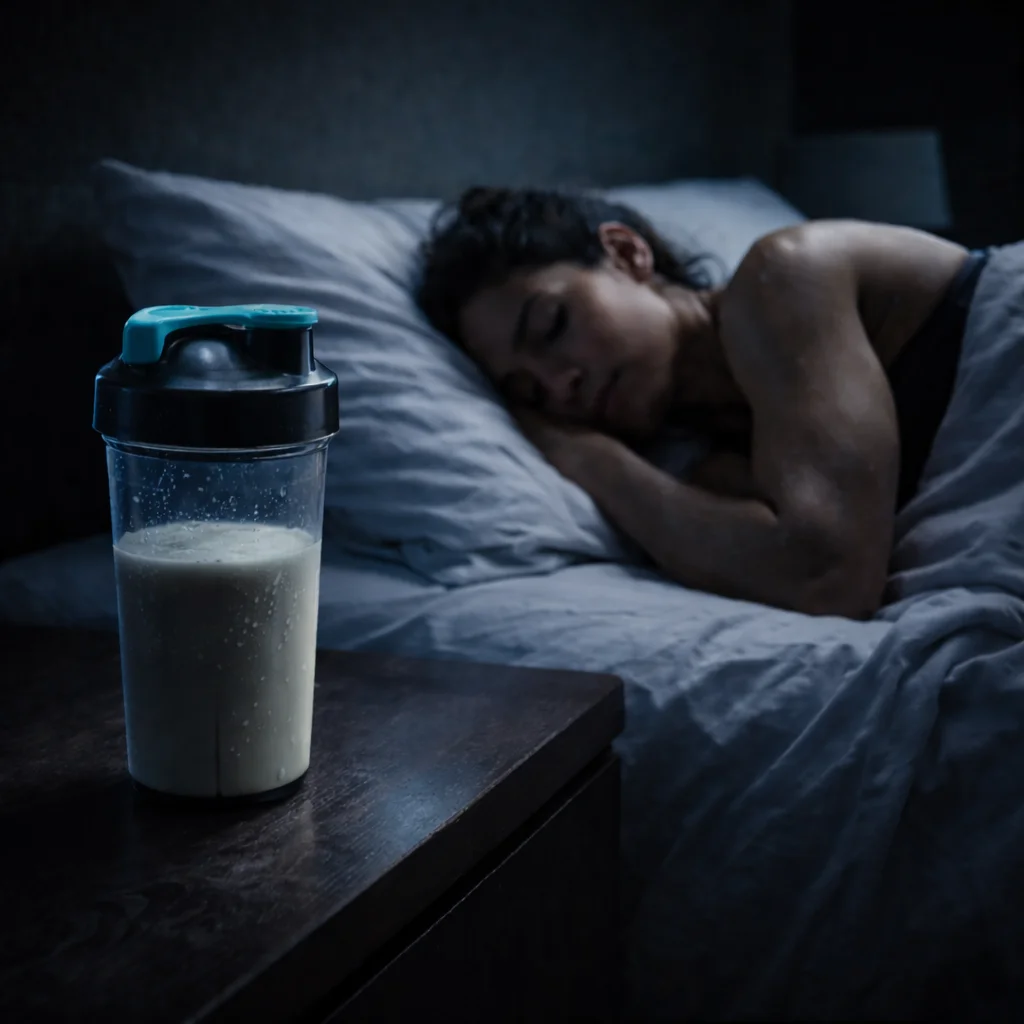
Protein Before Bed: Does a Nighttime Shake Really Build Muscle?
Drinking protein before bed is common gym advice, but does it actually work? A controlled study measuring overnight muscle protein synthesis reveals whether nighttime nutrition supports muscle building during sleep, and how much protein you actually need.

Morning vs. Evening Workouts: Does Timing Boost Muscle Gains?
Should you train at dawn or dusk for maximum muscle growth? A systematic review and meta-analysis challenges the timing dogma that dominates fitness culture, revealing whether morning or evening workouts actually produce different long-term strength and hypertrophy results.
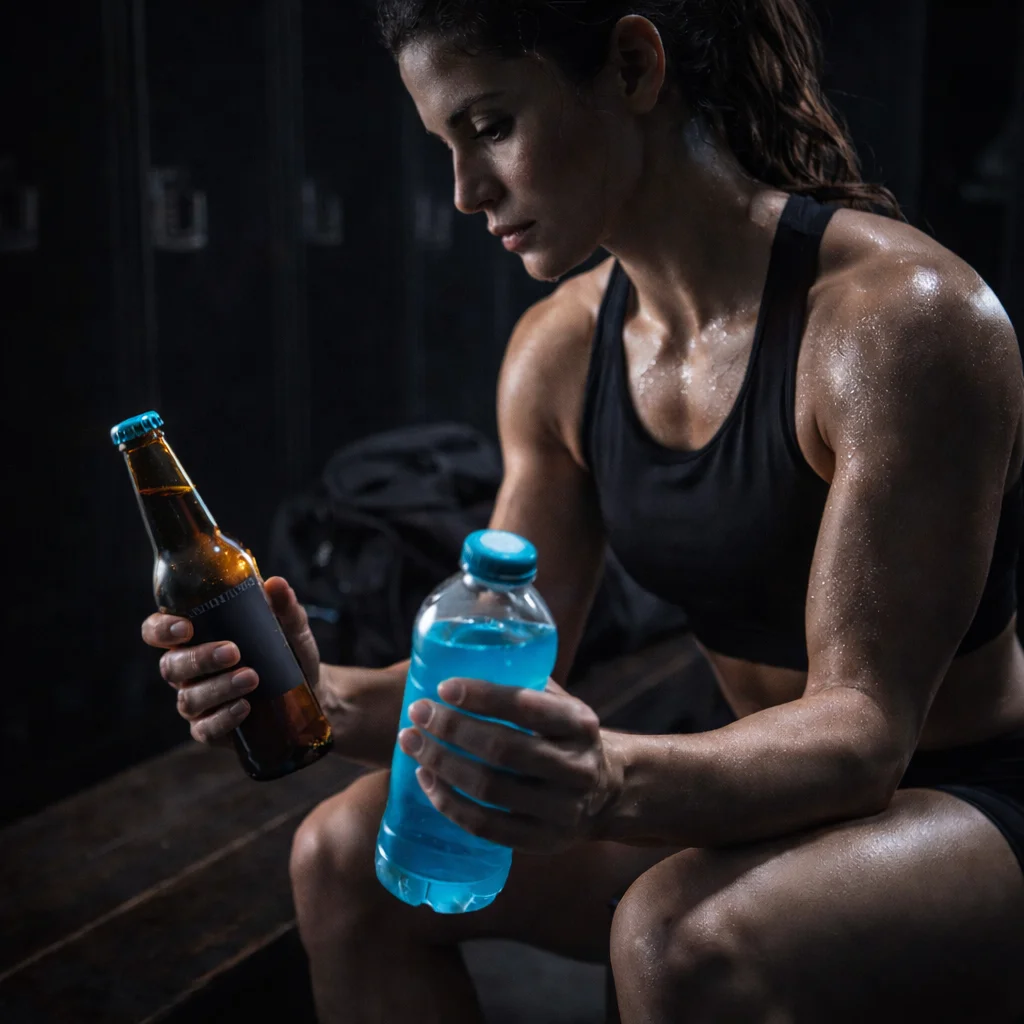
Hydration Myth Busted: Can Beer Replace Your Sports Drink?
Beer after exercise is supposed to dehydrate you, right? A controlled crossover study challenges this widespread assumption by testing whether moderate beer consumption actually impairs hydration markers compared with water. The results might surprise you.
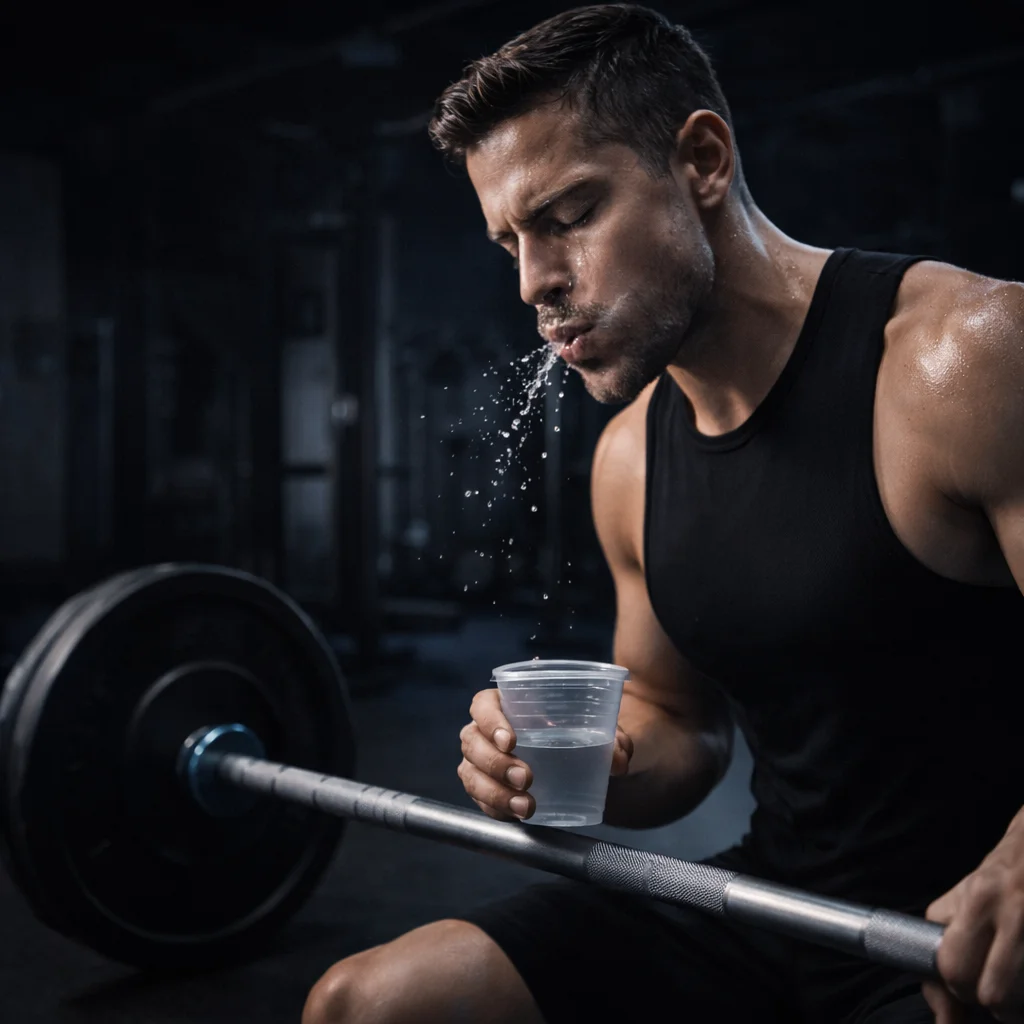
Swish, Don't Swallow: Mouth Rinsing Carbs Boosts Lift Power
What if you could boost lifting performance without consuming a single calorie? A controlled study reveals that simply rinsing your mouth with carbohydrates, then spitting them out, significantly increases power output and total work during resistance training through surprising neural mechanisms.

Heat Therapy Won't Build Bigger Muscles, Study Finds
Heating pads and saunas are promoted as muscle-building tools, but do they actually work? A 12-week controlled study using a clever design where each person's legs served as their own control reveals whether adding heat to resistance training produces extra gains.
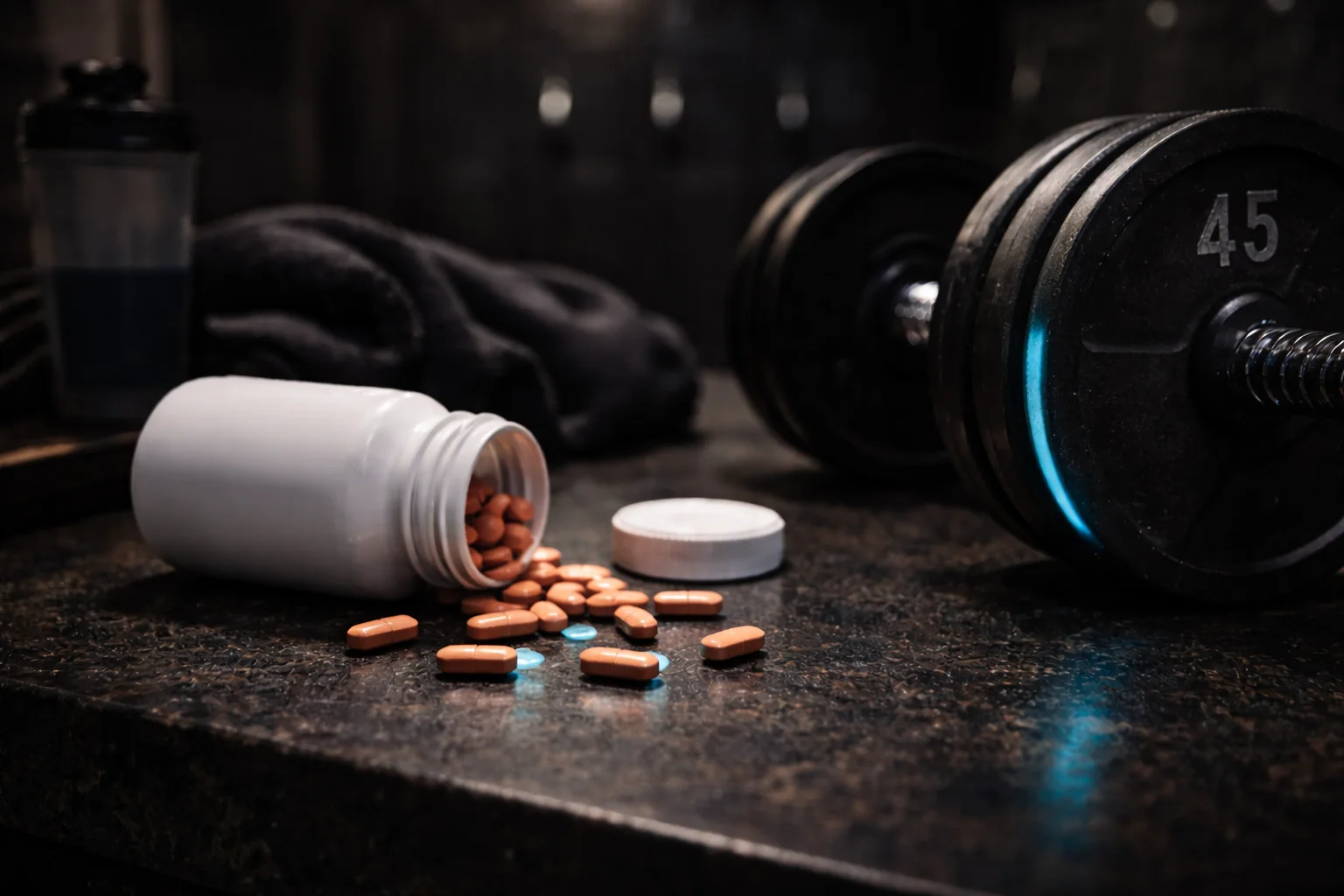
High-Dose Ibuprofen Could Shrink Your Muscle Gains
Popping ibuprofen after every workout seems harmless, but a controlled trial reveals that daily high-dose NSAIDs during resistance training can cut muscle growth in half. Discover the surprising trade-off between pain relief and adaptation that most athletes don't know about.
Fasted vs. Fed Resistance Training: Same Gains Either Way?
Should you eat before lifting or train fasted? A 12-week controlled trial comparing fasted and fed resistance training reveals whether skipping pre-workout meals compromises muscle growth and strength gains, or if it's just another fitness myth.

Chocolate Milk vs Sports Drink: Which Builds Strength Better?
Sports drinks dominate post-workout recovery, but a field study with high school athletes reveals that chocolate milk produces over 4x greater strength gains. Discover why the simple combination of carbs and protein beats carbs alone for building strength.
Barefoot-Style Shoes Strengthen Feet Like Targeted Exercises
Foot strengthening exercises take time and discipline most people don't have. But a controlled study reveals that simply walking in minimalist shoes produces the same muscle size and strength gains as dedicated foot exercises. Discover how changing your footwear can replace hours of drills.
Take Your BCAAs After - Not Before - for Less Soreness
Most people take BCAAs before training, but controlled studies reveal that post-workout timing reduces muscle soreness and inflammation more effectively. Discover why the recovery window matters more than the warm-up for BCAA supplementation.
Soy vs Whey: Are They Really Equal When Leucine Is Matched?
Whey protein is considered superior to soy for muscle building, but that comparison is usually unfair. A controlled trial matched leucine content between soy and whey to test whether the protein source itself matters. The results challenge conventional protein hierarchy.
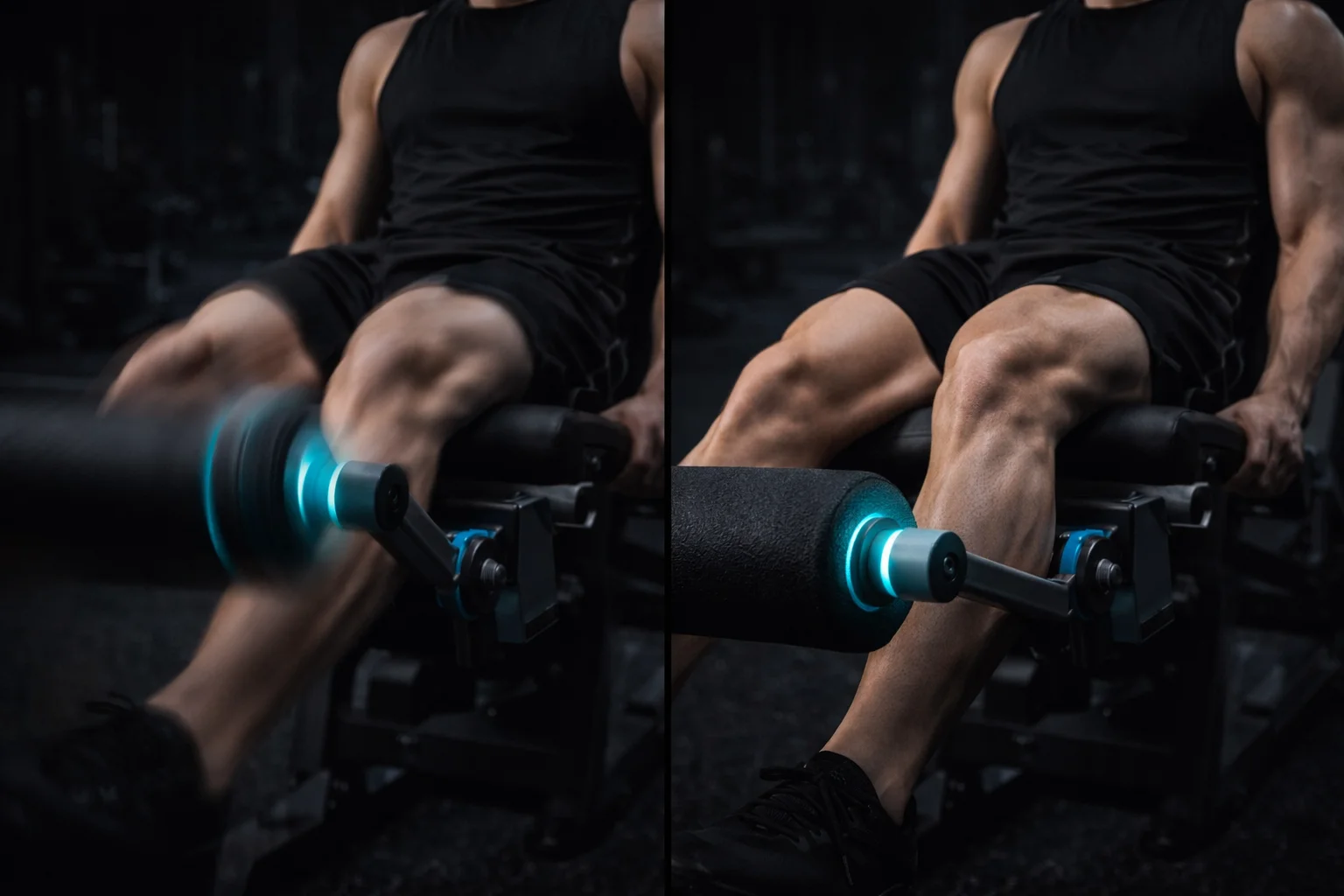
Fast vs Slow Rep Tempos: Does Speed Really Matter?
Slow reps for muscle growth, fast reps for strength - you've heard these rules countless times. But a controlled trial testing eccentric tempo reveals that speed matters far less than you think when volume and load are matched. Discover what actually drives muscle and strength gains.
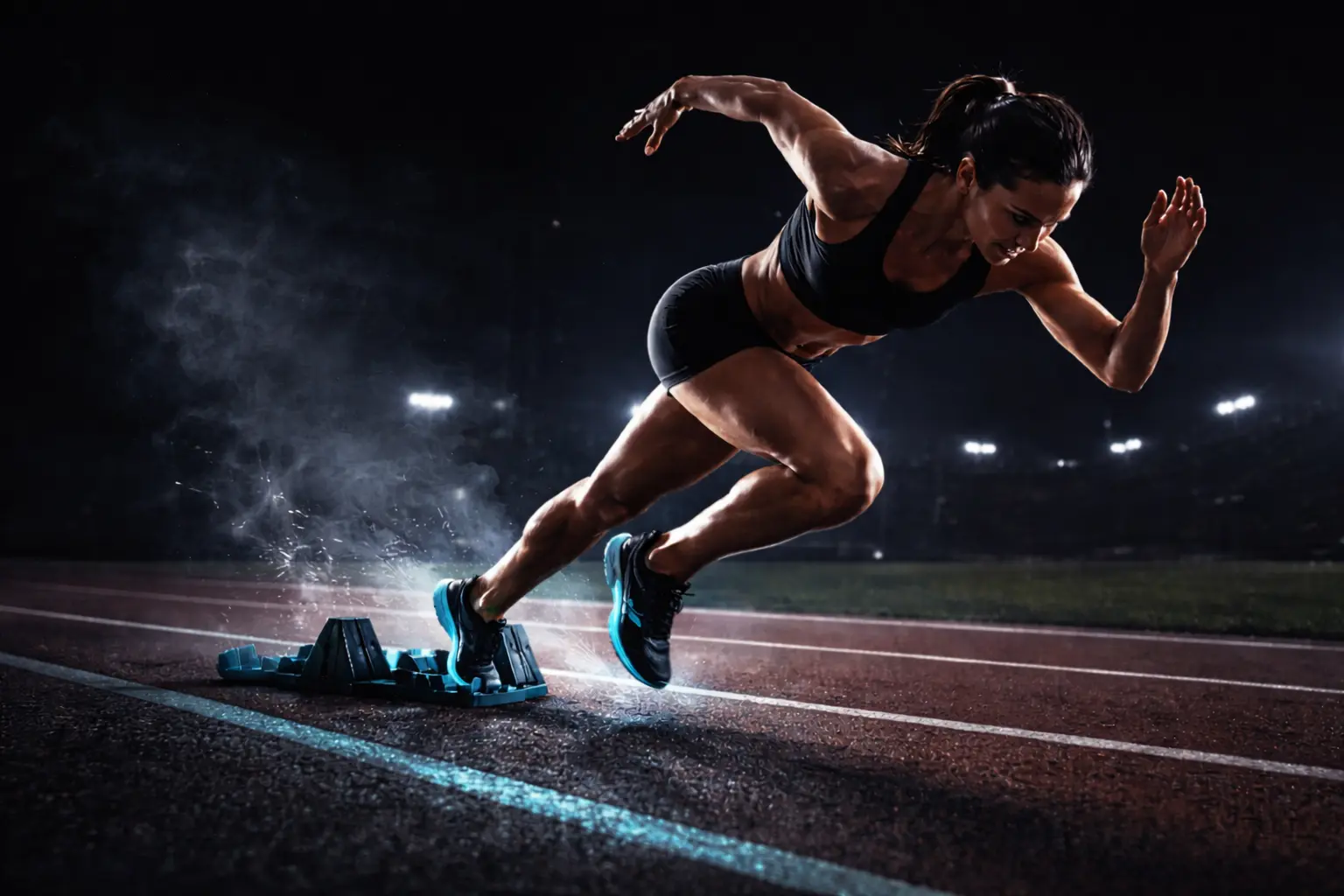
Six Weeks of Sprint Intervals Transform Fitness - No Long Runs Required
No time for hour-long runs? A six-week study shows that three 20-second all-out sprints, performed just three times weekly, dramatically boost aerobic capacity and endurance in sedentary adults. Total exercise time per session: 10 minutes. The time efficiency excuse just got harder to defend.
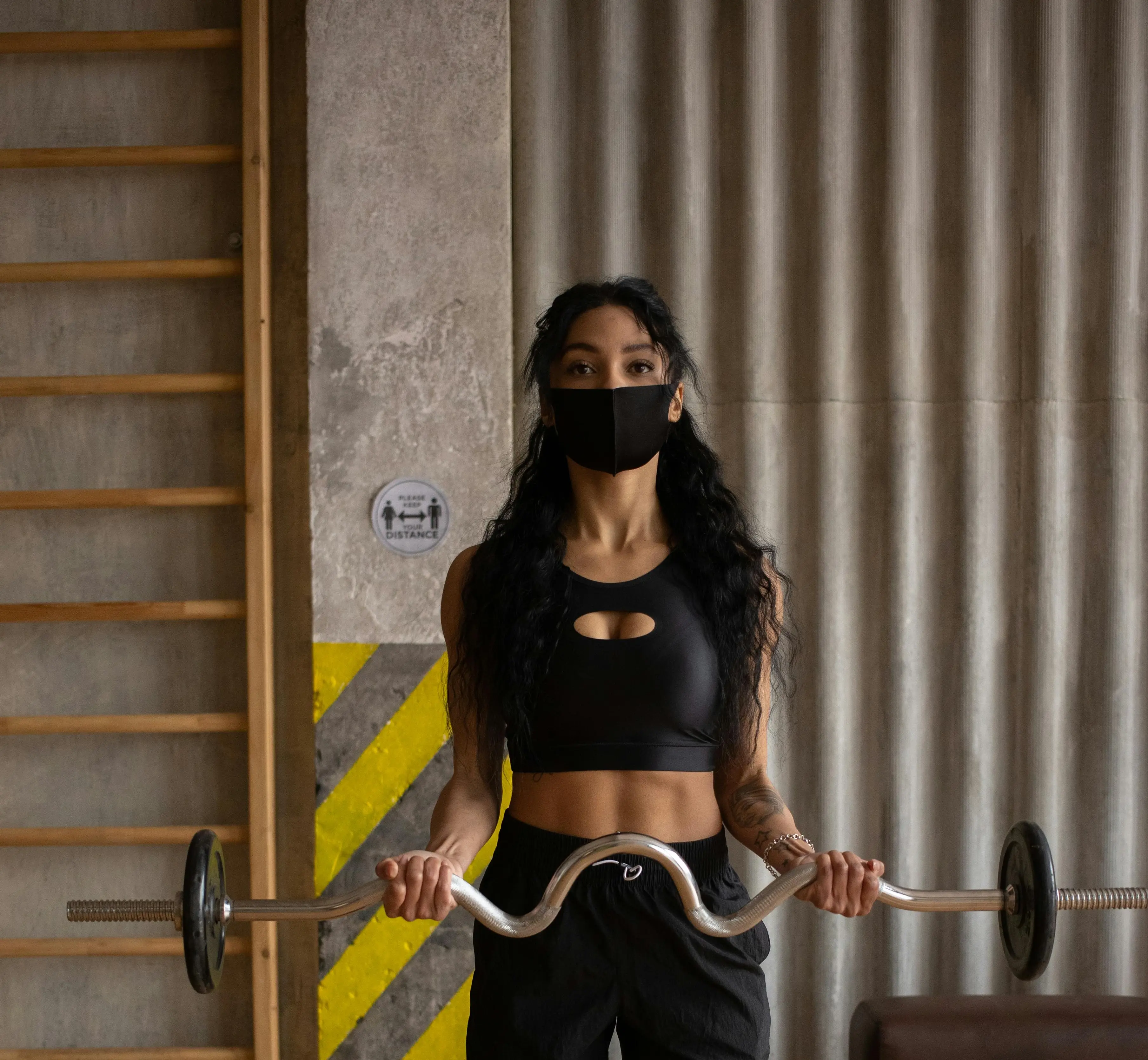
Do Masks Suffocate Workouts? Science Says It's Safe
Masks drop oxygen levels during exercise and overload your heart - or so the claims go. A randomized crossover trial measured actual oxygen saturation and heart rate across cloth masks, surgical masks, and FFP3 respirators during moderate-to-high intensity exercise. The physiological data demolishes the suffocation myth.
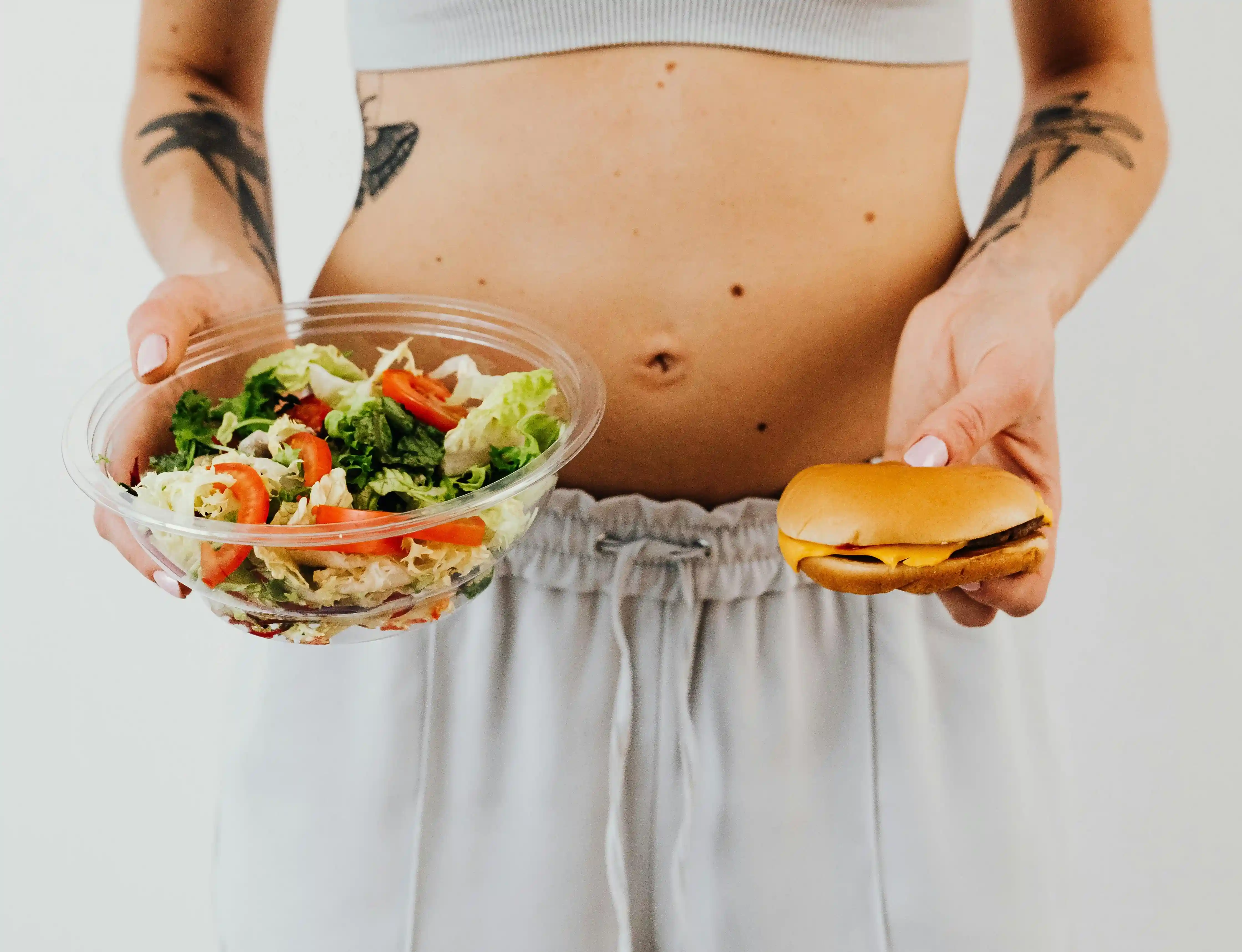
Ultra-Processed vs Whole Foods: Which Diet Wins on Weight Loss?
Two diets, same calories, same protein, same fiber - but one built from ultra-processed foods, the other from whole foods. After 8 weeks, weight loss differed significantly. A randomized crossover trial reveals that food processing level matters for weight management, even when nutrient targets match perfectly.
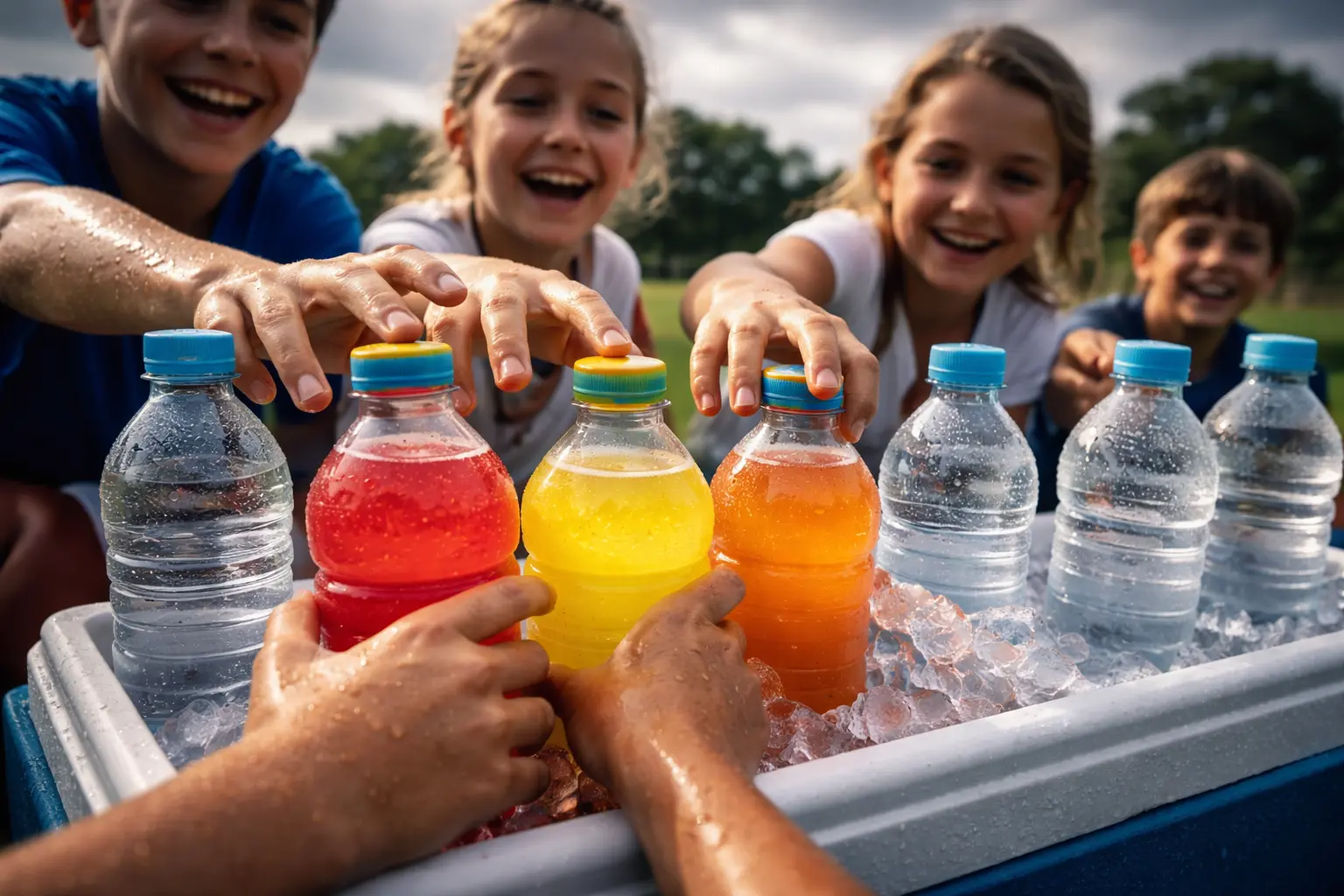
Low-Sugar Drinks vs Water: Kids Drink More and Stay Hydrated
Children playing in the heat often ignore water bottles, risking dehydration during activity. A randomized crossover trial tested whether low-sugar flavored beverages would increase fluid intake compared to plain water. Kids drank 128% more fluid with the flavored option, and hydration markers improved significantly. Palatability drives drinking behavior.
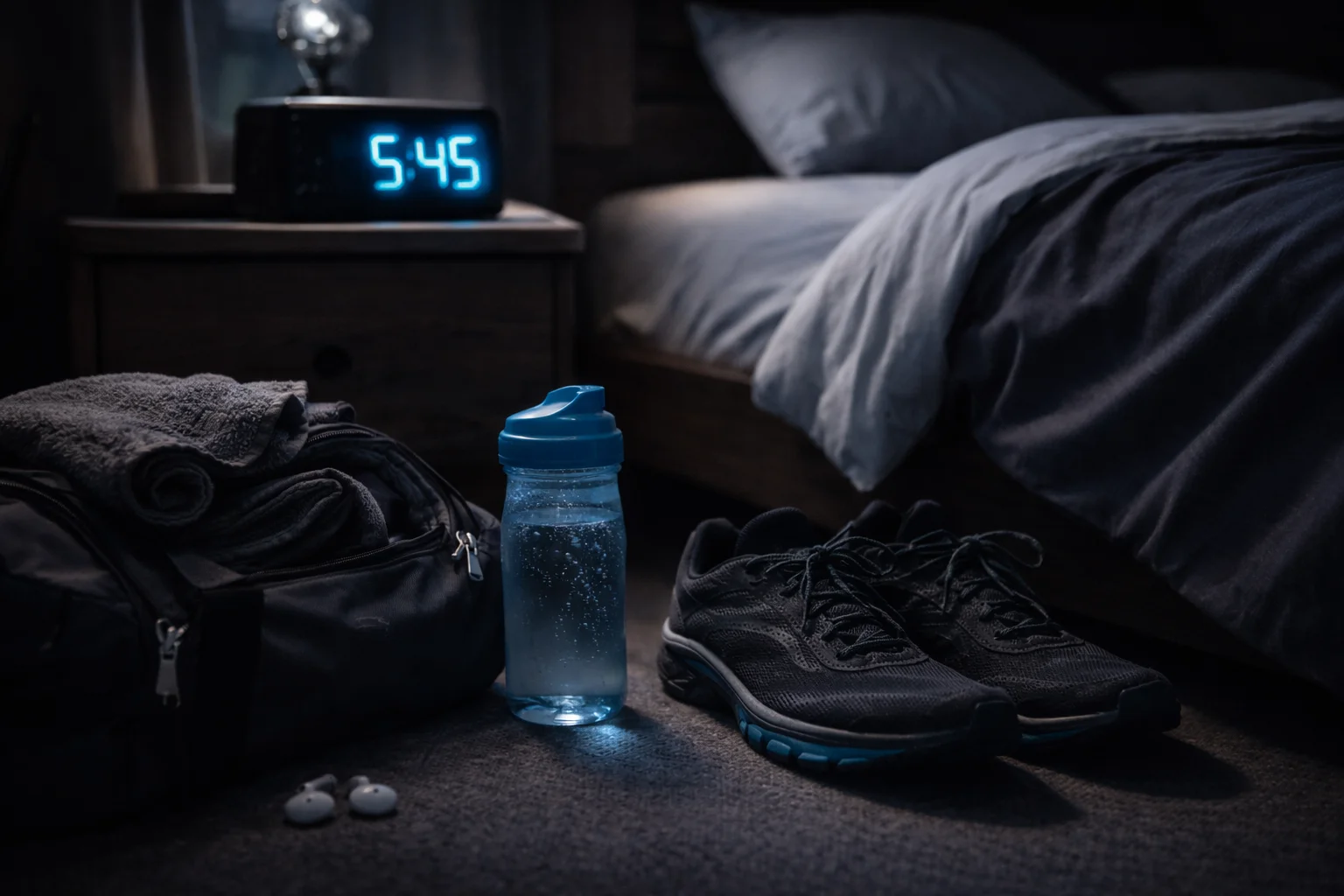
One Extra Hour of Sleep Boosts Morning Performance - and It's Proven
Training is periodized, nutrition is tracked to the gram, supplements are debated endlessly - yet sleep gets treated as optional. A randomized crossover trial shows that adding just 55 minutes of sleep for one night significantly improves morning shuttle-run performance, reduces fatigue, speeds reaction time, and enhances cognitive function. Sleep isn't just recovery. It's a performance variable you control.

Chew Gum, Burn More Calories? A Surprising Walking Study
Walk longer, walk faster, add hills - these are the obvious ways to burn more calories during walks. But randomized crossover trials reveal an almost absurdly simple intervention: chewing gum while walking increases distance covered, step count, walking speed, heart rate, and energy expenditure. The effect is real, consistent, and especially pronounced in older adults.
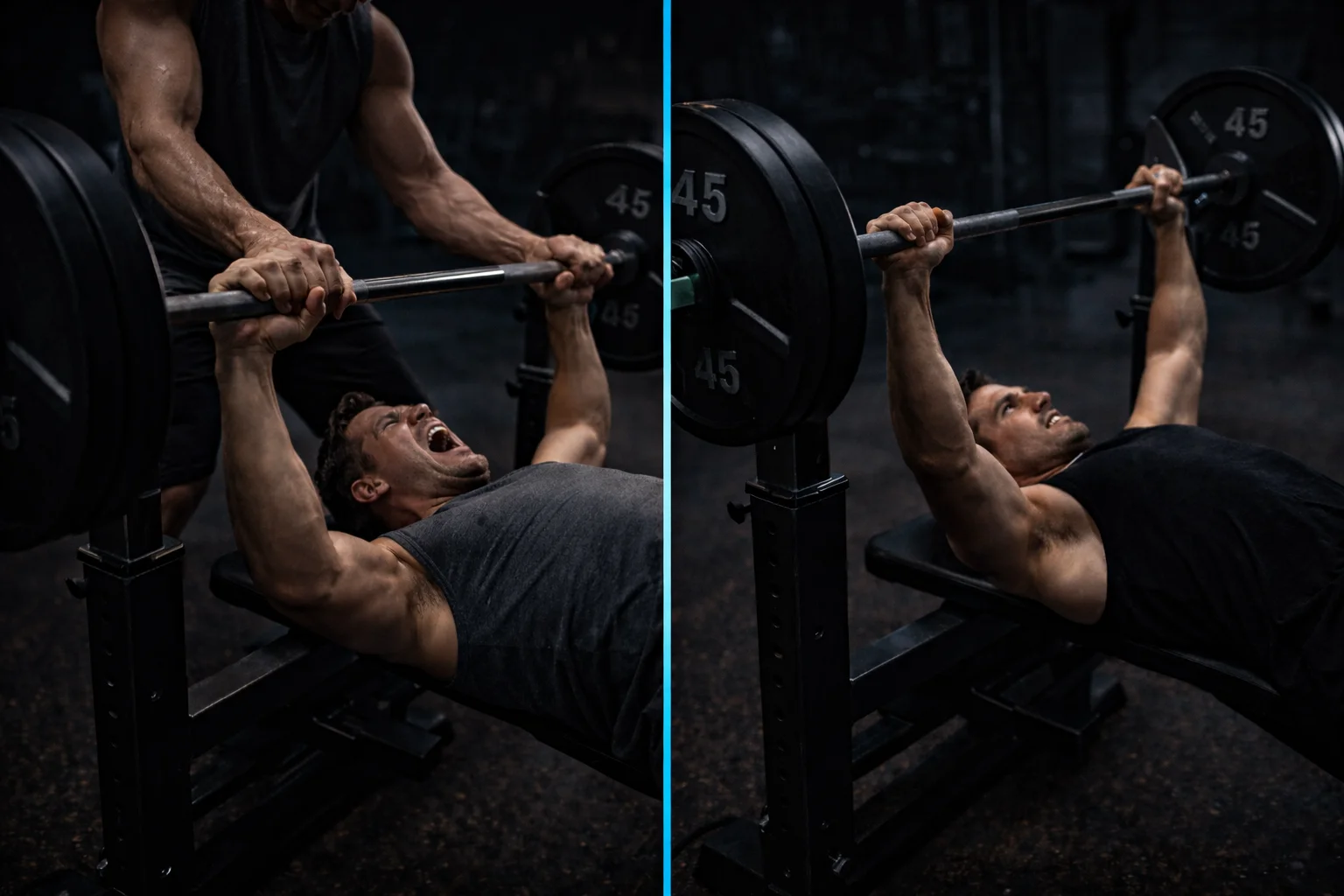
Training to Failure vs Leaving Reps in the Tank: Which Wins?
No pain, no gain. A set only counts if you can't do another rep. Training to failure is essential for muscle growth - or so the gym wisdom goes. But randomized controlled trials tell a different story: stopping 1-2 reps short of failure produces similar strength and hypertrophy gains with less fatigue accumulation. The evidence challenges decades of training dogma.
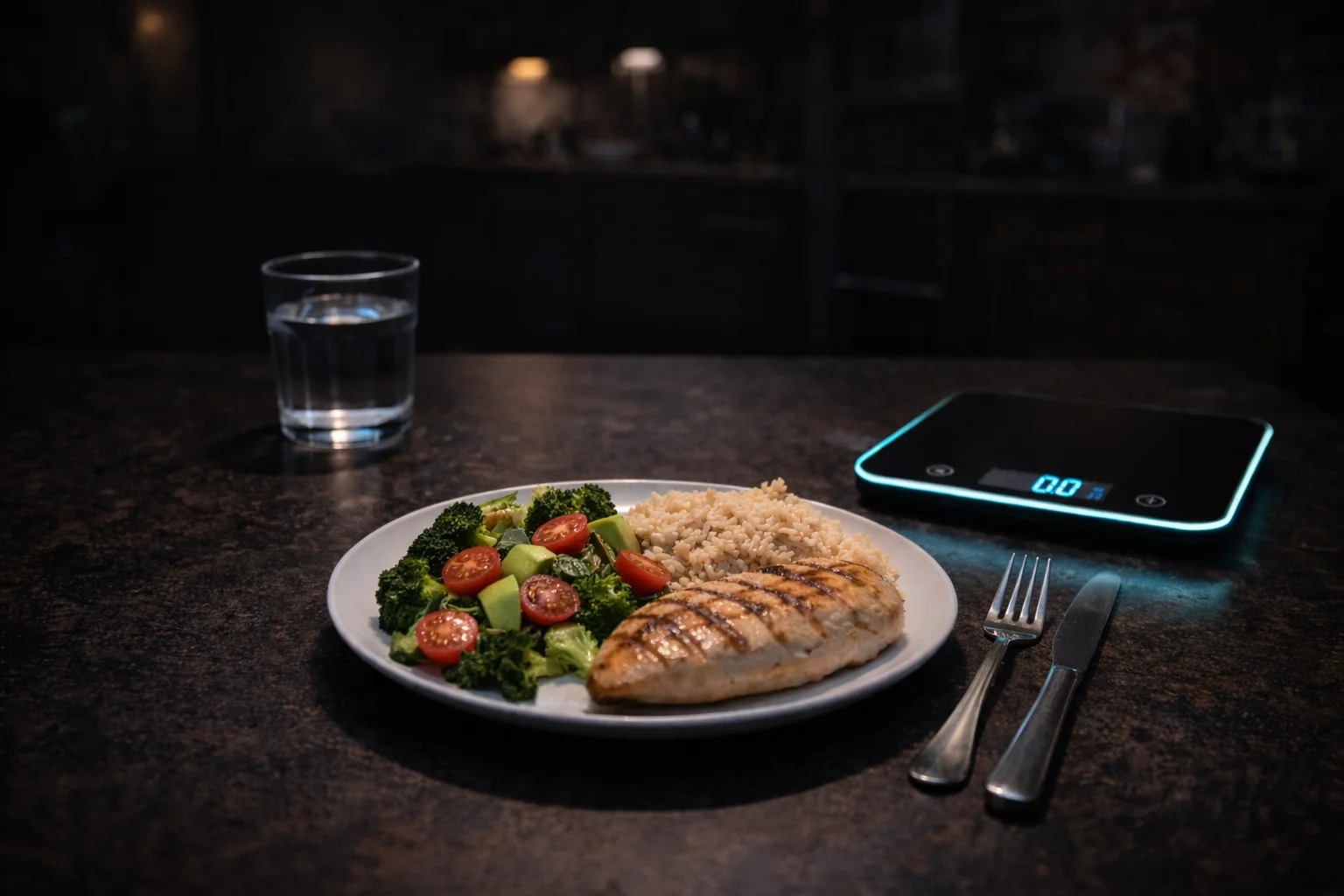
Intermittent Fasting Without Calorie Counting Still Beats Doing Nothing
Weight loss with type 2 diabetes typically means calorie counting, food weighing, and daily tracking - exhausting for people already managing medications and glucose checks. A 6-month randomized trial tested a simpler approach: eat only between 12pm-8pm without counting calories. Result: 3.6% weight loss and improved blood sugar control, outperforming both calorie restriction and doing nothing.
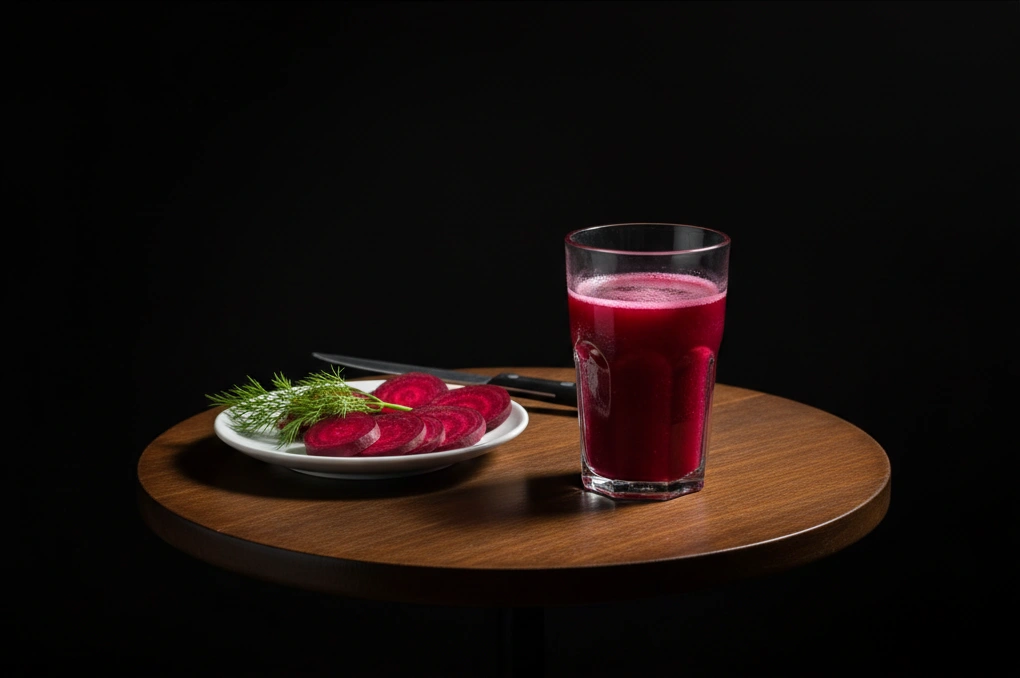
Beetroot Boosts Recovery - Separating Spin from Science
Can beetroot juice really speed up recovery after intense workouts? Research shows it reduces soreness and improves functional performance, though the mechanisms may surprise you. Discover what the science reveals about this popular recovery aid.
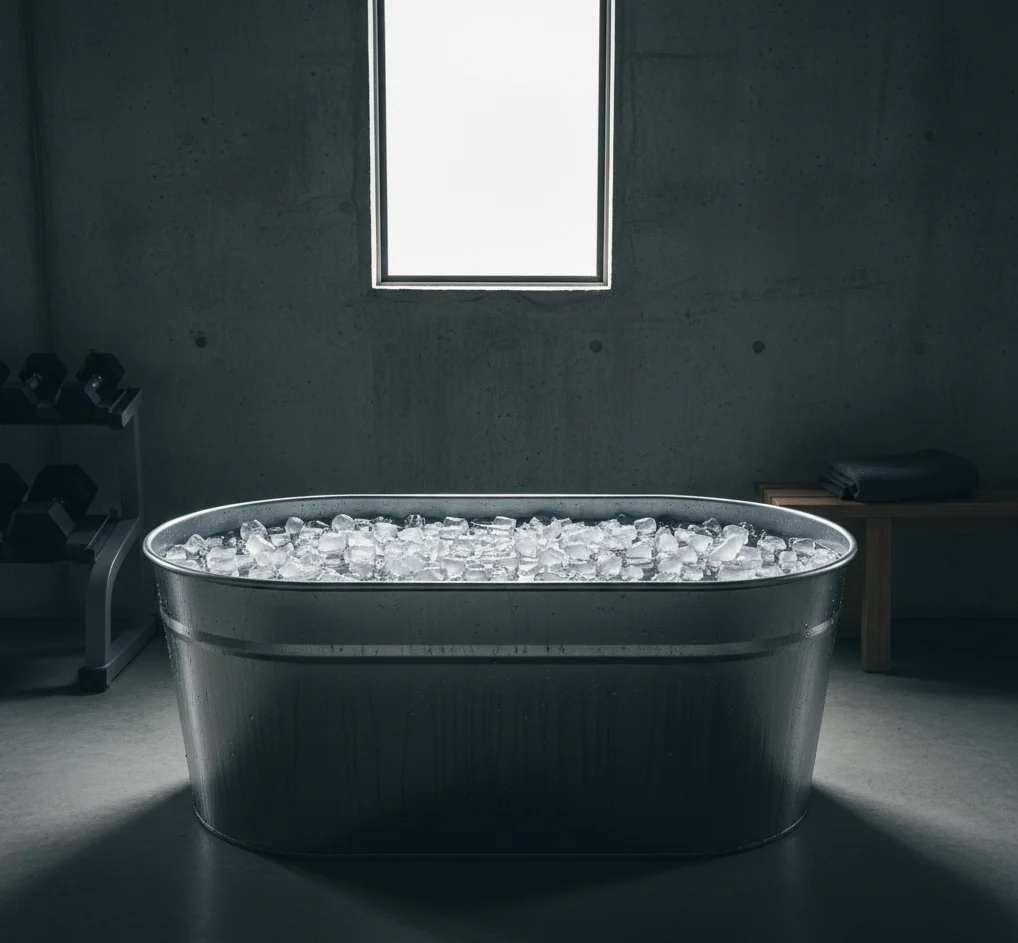
Ice Baths After Lifting: Myth or Must?
Cold water immersion might reduce soreness, but research shows it can blunt muscle growth by up to 50%. Discover when ice baths help recovery and when they sabotage your gains.
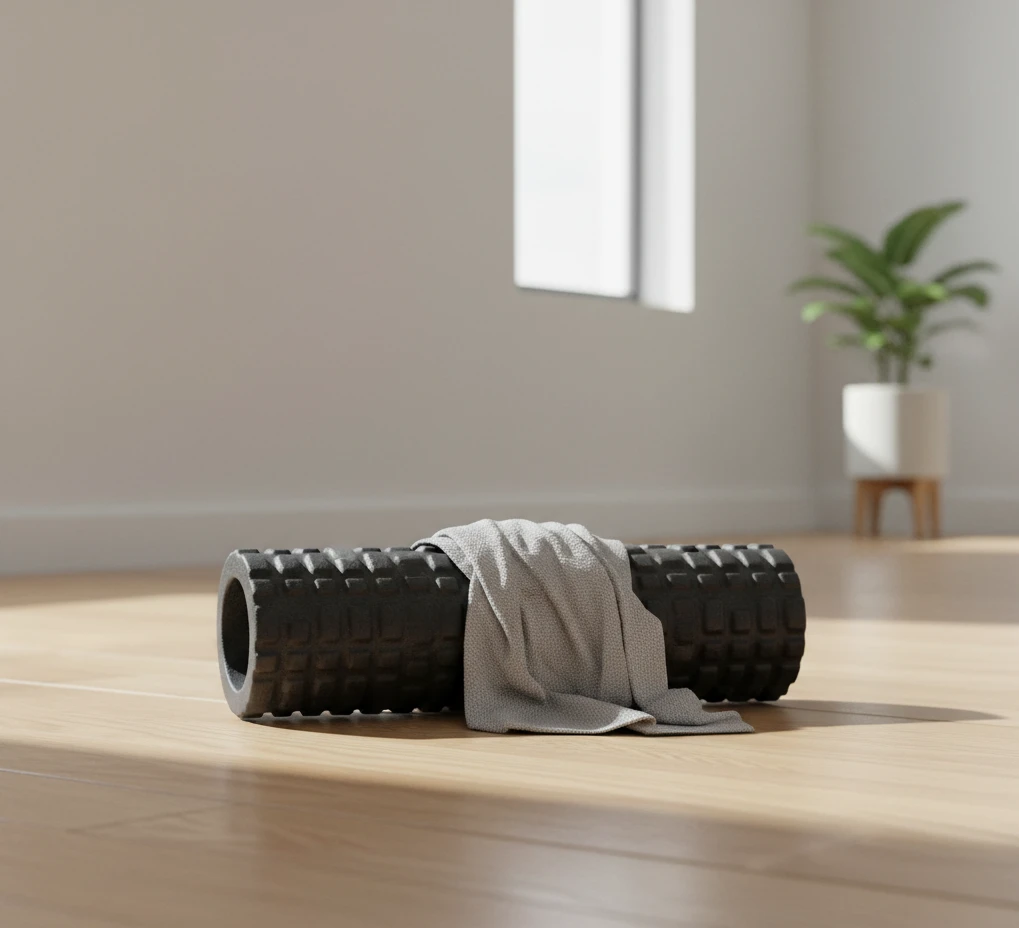
Foam Rolling: Friend or Fad?
Does foam rolling break up scar tissue and boost performance? A meta-analysis of 21 studies reveals what foam rolling actually does - and what it definitely doesn't do.
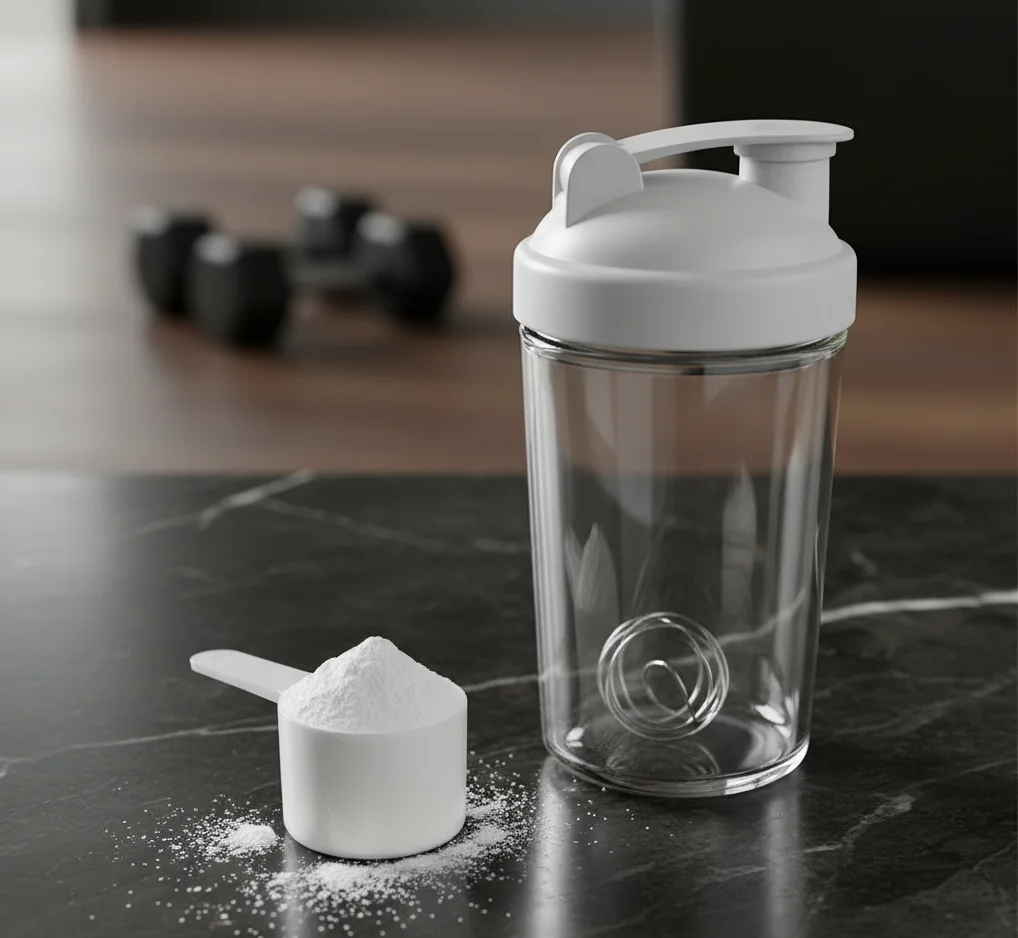
Creatine + Training: A Small but Meaningful Boost
Creatine isn't just for bodybuilders. A 2024 meta-analysis of 10 studies shows how this supplement enhances muscle growth and strength when paired with resistance training.
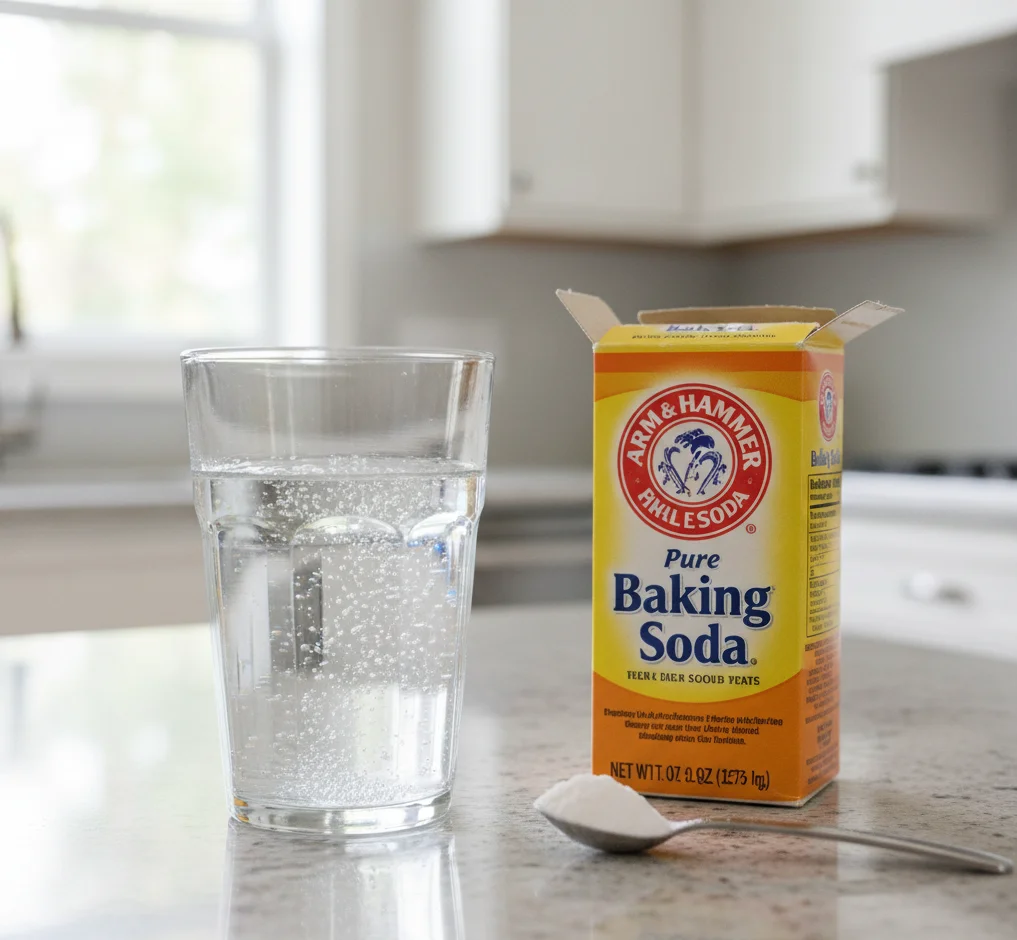
Sodium Bicarbonate: Boosting High-Intensity Performance
The secret to crushing high-intensity intervals might be hiding in your baking soda box. Learn how sodium bicarbonate buffers fatigue and the exact dosing protocol backed by science.
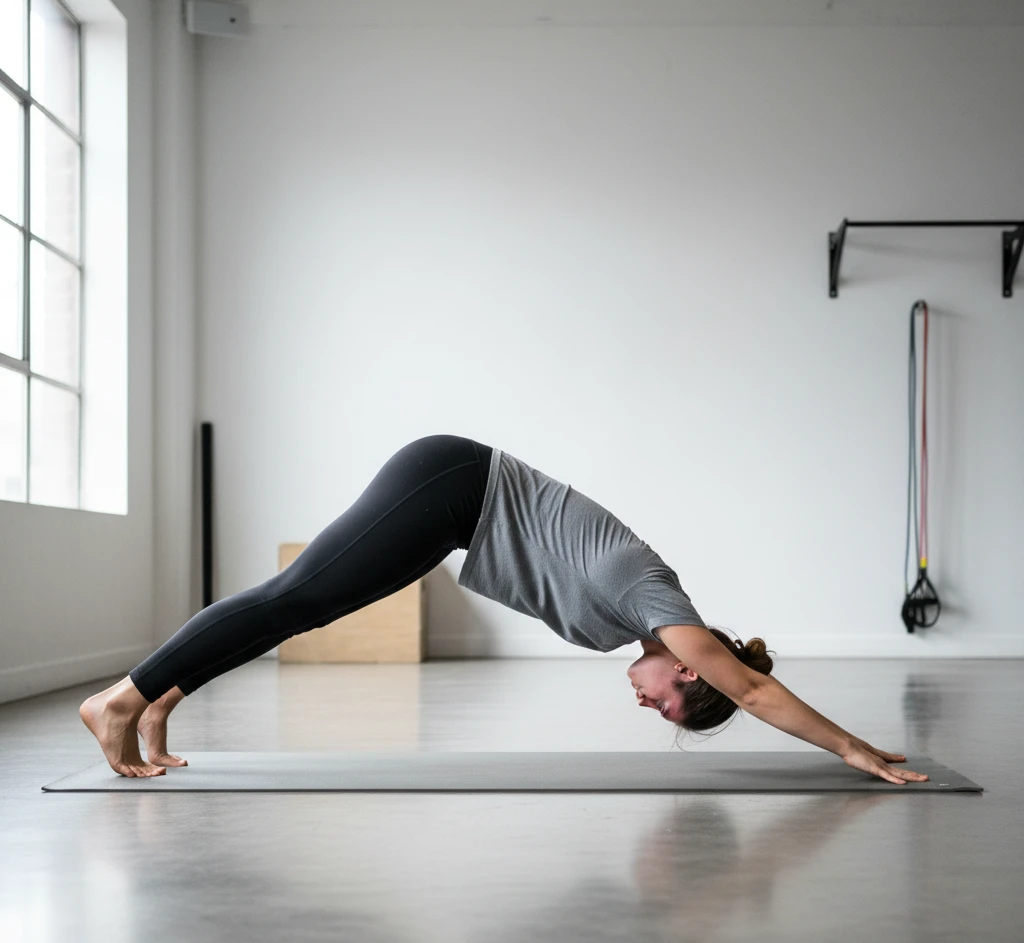
Static Stretching: Short Holds vs Long Holds
Should you stretch before exercise? Yes, but only for a few seconds at a time. Research shows stretches over 60 seconds can reduce strength by up to 7.5%.
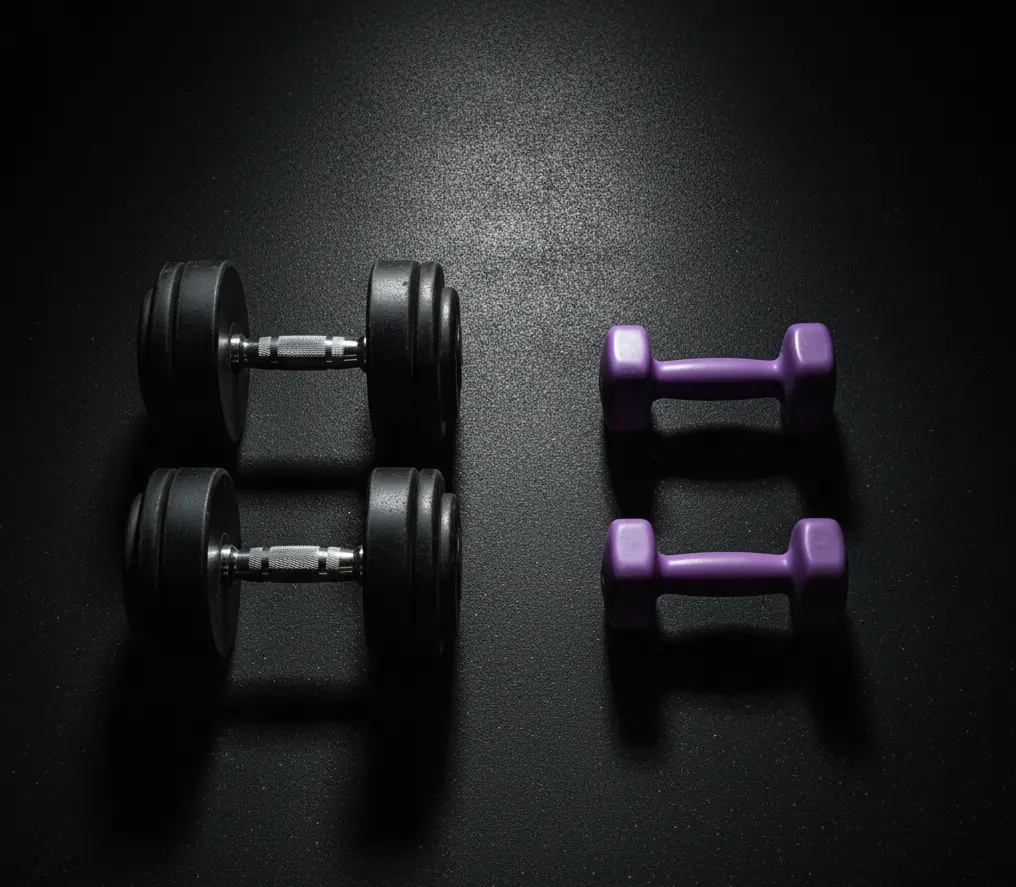
Low vs High Load Training: Effort Over Weight
You don't need to lift heavy to build muscle. Research shows light weights taken to failure produce similar hypertrophy as heavy loads - here's how to program both for maximum gains.
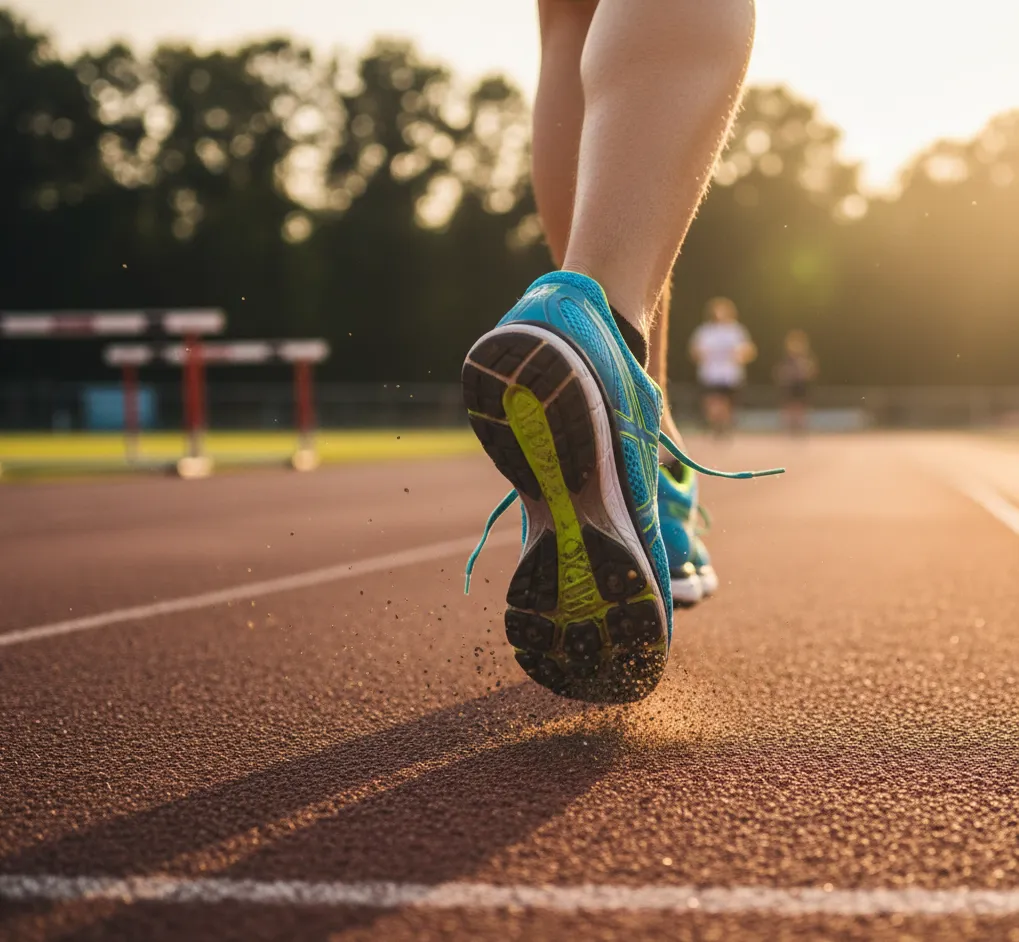
Running Cadence: Small Changes, Big Relief
A simple 10% increase in running cadence can reduce knee joint stress by 14%. Learn how adjusting your step rate can relieve knee pain without sacrificing performance.
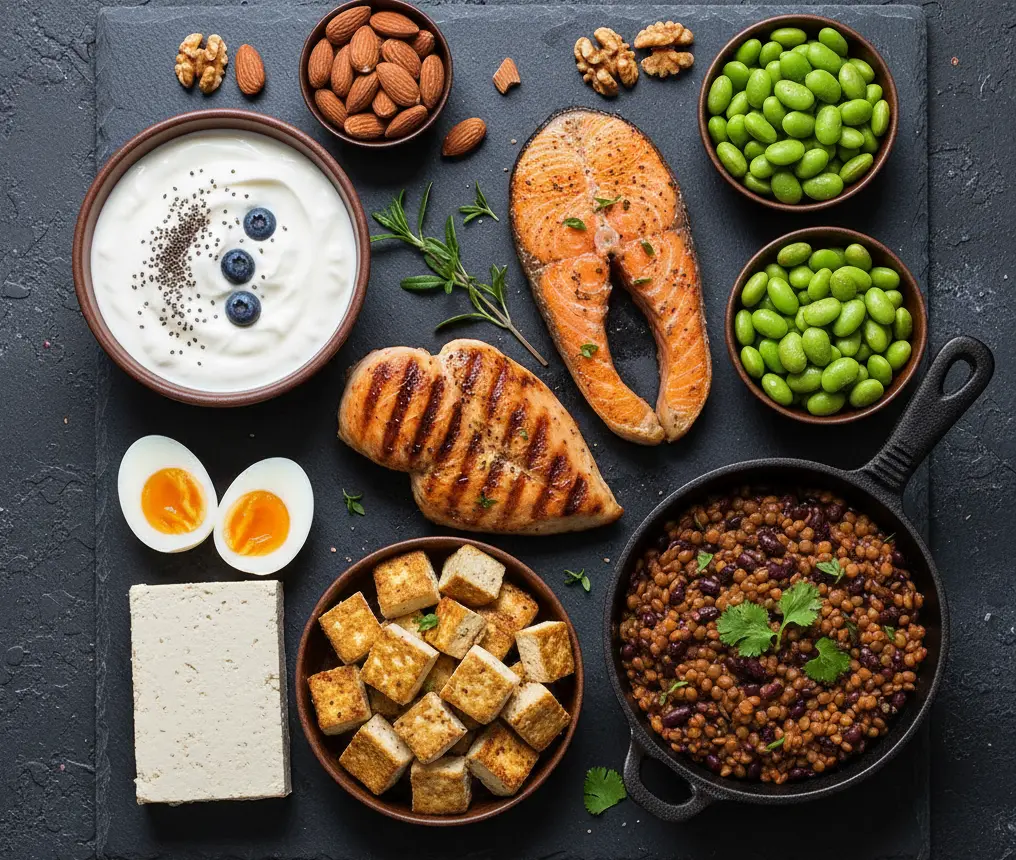
Protein Sweet Spot for Lifters: 1.6 g/kg/day
How much protein do you really need to maximize muscle growth? A meta-analysis of 49 studies reveals the optimal intake - and why more isn't always better.

Stand Up For Gains - Tiny 'Activity Snacks' During Long Sits Boosted Muscle Protein Synthesis
Breaking up a 7.5-hour sit with brief walking or body-weight squats every 30 minutes increased myofibrillar protein synthesis by up to 48% compared with uninterrupted sitting, and sharply elevated the growth-signal rpS6. Discover how simple movement breaks can transform your body's response to dietary protein.
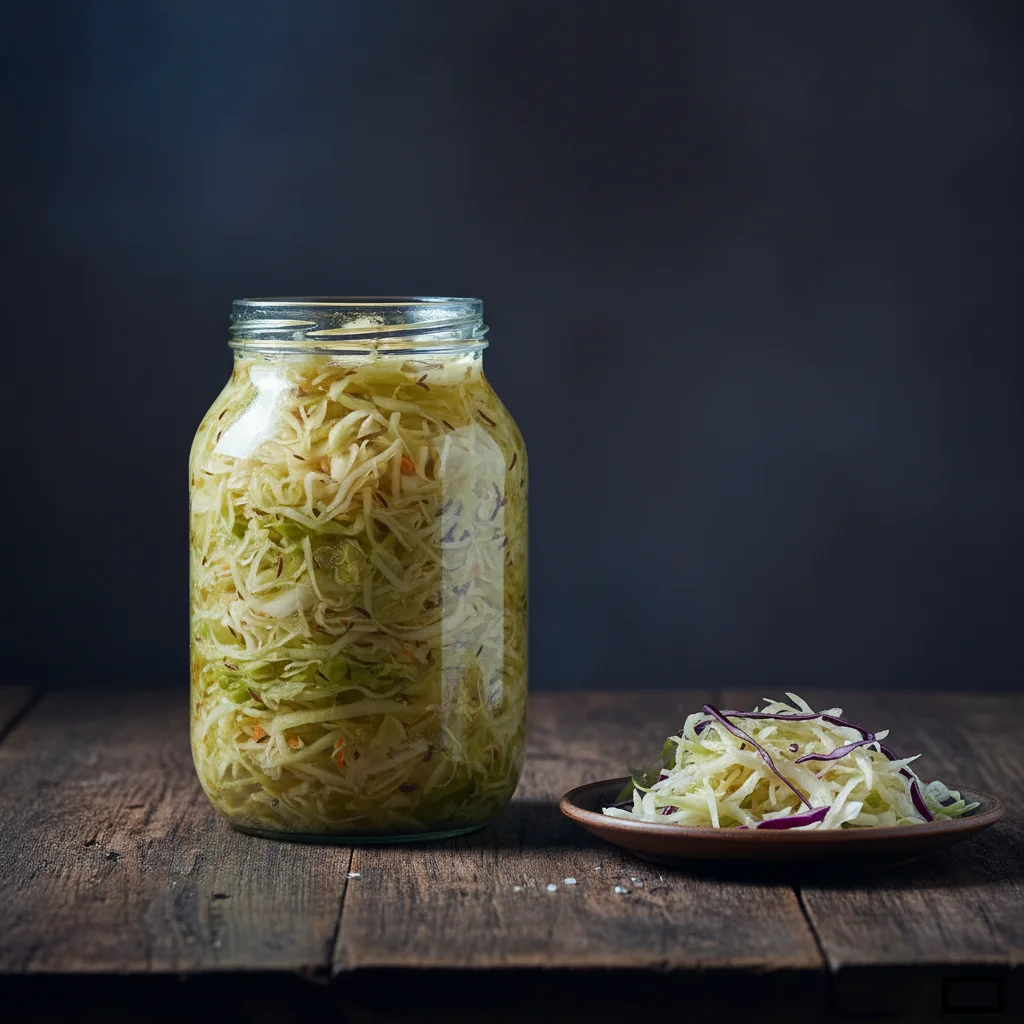
Fermented Cabbage vs Inflammation - How a 300-Plus Metabolite Cocktail Protected the Gut Barrier In Vitro
A complex metabolite mix in fermented cabbage protected intestinal cell monolayers from IFN-γ and TNF-α, preserving barrier function and reducing permeability where raw cabbage offered no protection. Discover how fermentation creates a biochemically rich matrix that supports gut health.
Running Myths vs Facts - What Science Really Says About Knees, Warm-Ups, Shoes, Cadence, and Training Load
Discover the truth behind five persistent running myths backed by peer-reviewed research. From knee health to optimal cadence, learn what science really says about injury prevention, proper warm-ups, shoe selection, and smart training progression for recreational runners.

Two Meals, Higher Protein - Can 1.5 g/kg Flip Whole-Body Protein Balance?
Middle-aged adults who ate about 1.5 g protein per kilogram of body weight per day in just two meals achieved a more positive whole-body net protein balance by ~0.55 - 0.6 g/kg lean mass compared with 0.8 - 1.1 g/kg, without any changes in training habits.
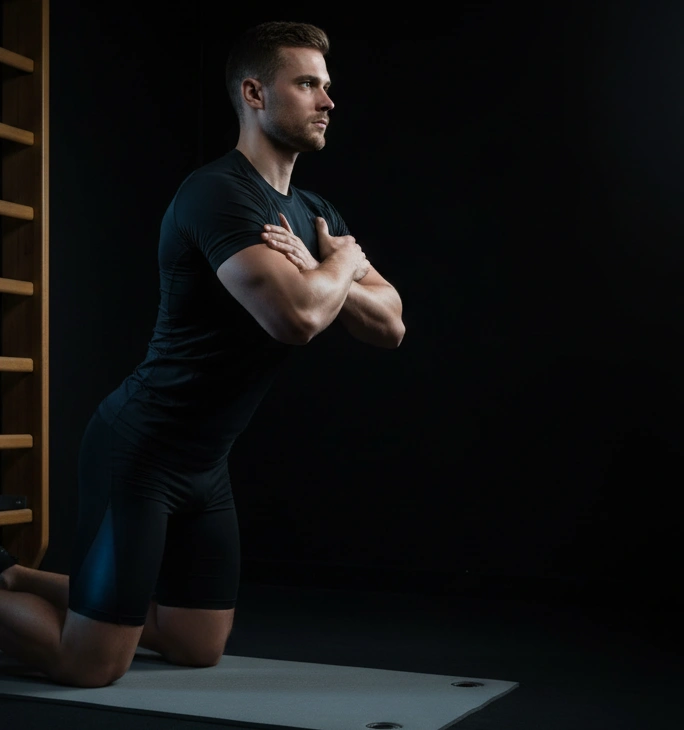
Nordic Hamstring Exercise - Faster Sprints and Fewer Strains
Adding the Nordic hamstring exercise to training can cut hamstring injuries by about 50% and improve sprint performance when programmed correctly. Discover what 125 studies reveal about this powerful exercise.

Does Coffee Really Protect Your Heart? What Science Says About Your Daily Cup
Moderate coffee intake - roughly 2-3 cups daily - has been linked with a 48% reduction in cardiometabolic disease risk. Discover what 20+ years of research reveals about coffee's cardiovascular benefits, optimal dosing, and why your brewing method matters for heart health.
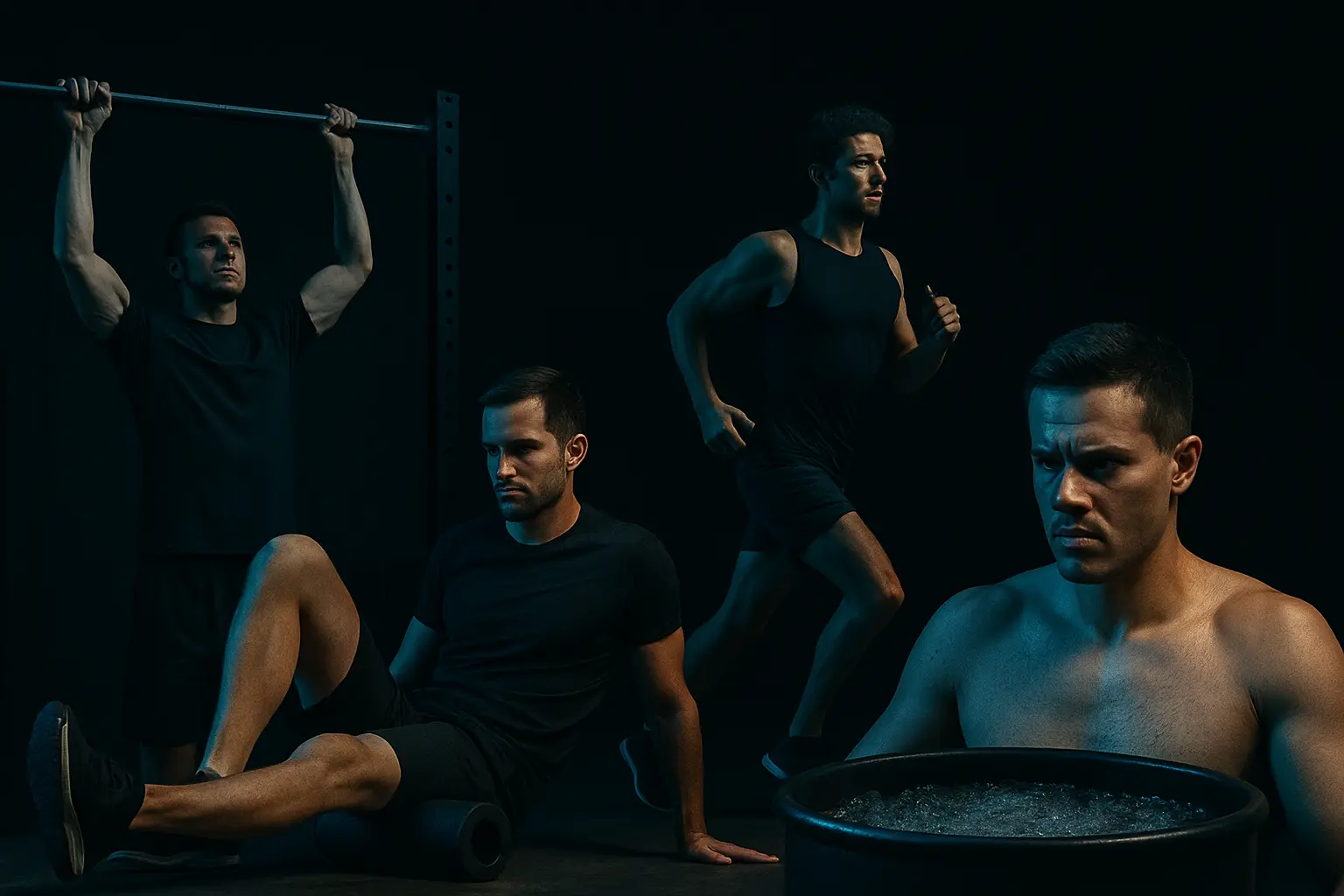
Fitness Myths vs Facts - What the Latest Science Really Says About Recovery, Warm-ups, Stretching, and Foam Rolling
Explore the truth behind common fitness myths and discover evidence-based practices for optimal performance and recovery.
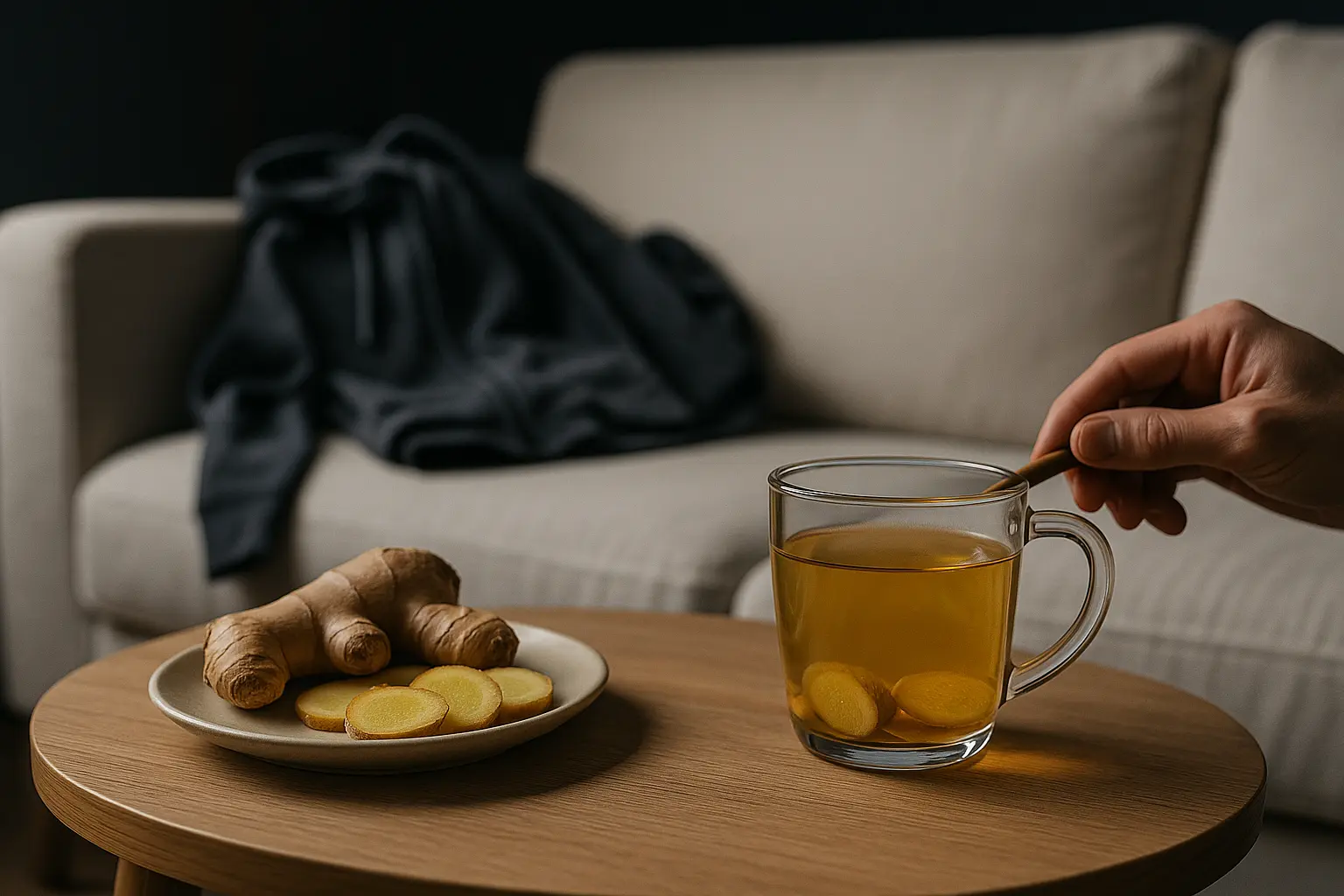
Ginger for Pain Relief: What 10 Years of Clinical Trials Actually Show
Discover the science behind ginger's pain-relieving power. Ten years of clinical trials reveal exactly how 2 grams daily reduces muscle soreness, menstrual cramps, and knee arthritis pain. Learn the optimal doses, forms, and mechanisms backed by peer-reviewed research.
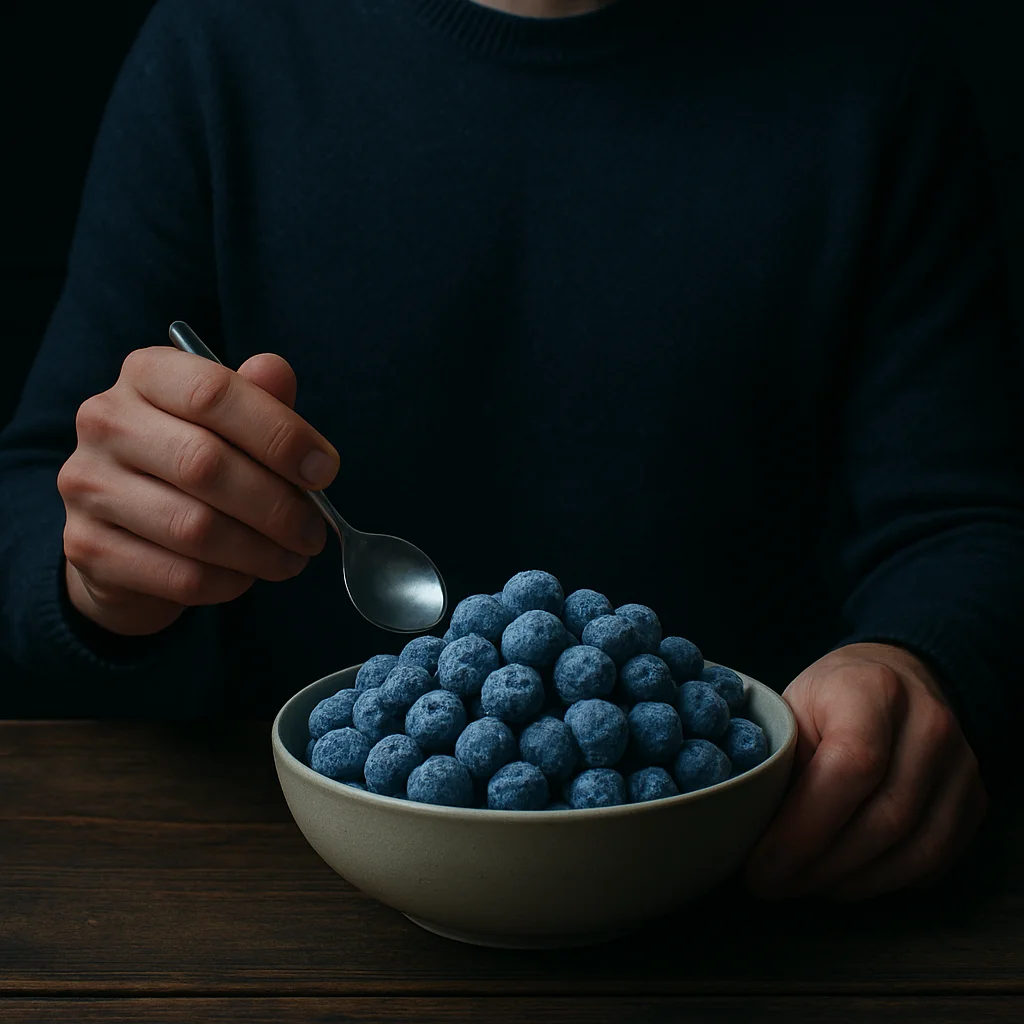
Why Frozen Blueberries Preserve More Antioxidants Than Fresh
Surprising research reveals that frozen blueberries preserve up to 50% more antioxidants than dried ones, and even outperform fresh berries over time. Discover the best way to store blueberries to maximize their heart-healthy, brain-boosting benefits and get the most from every serving.
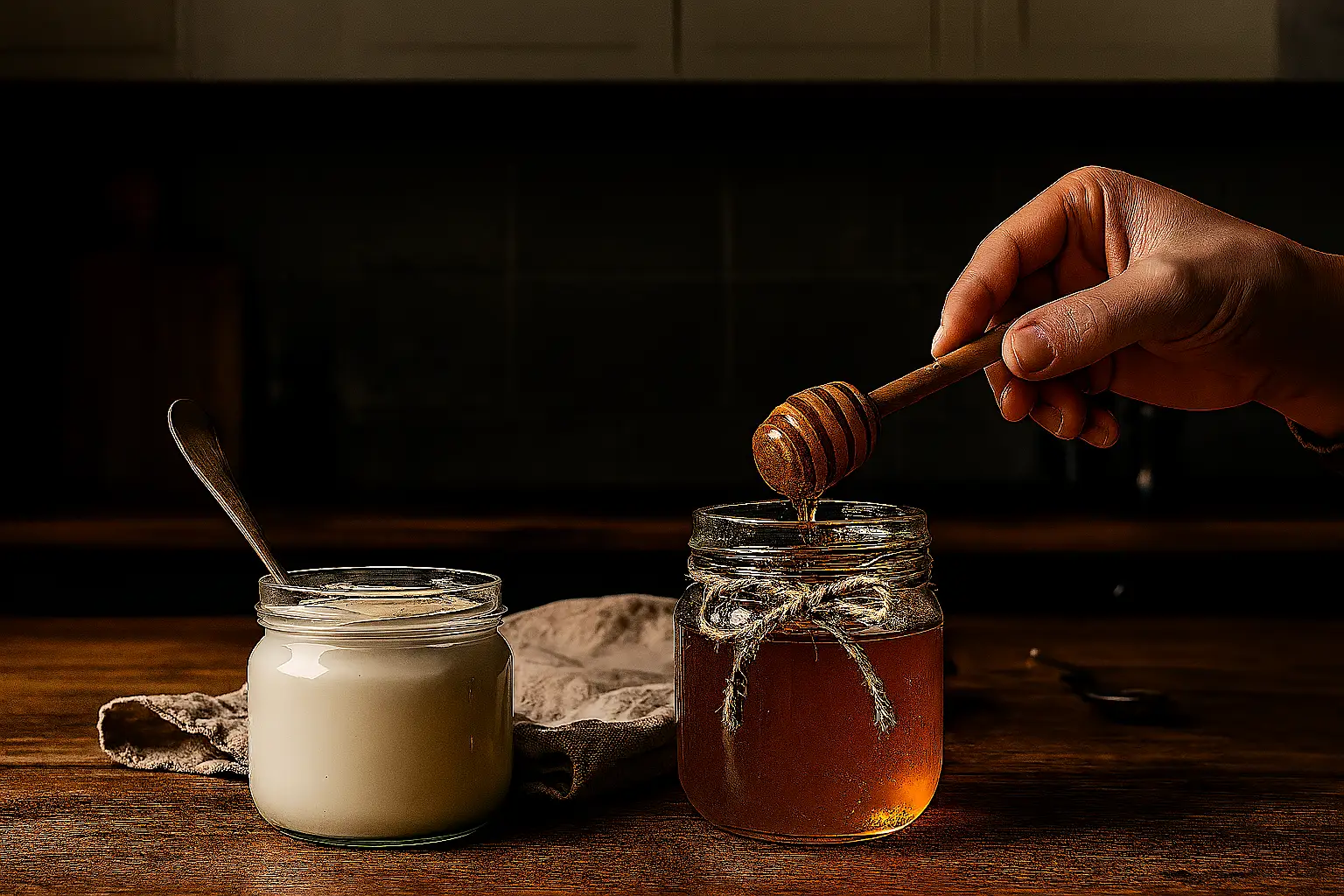
The Sweet Science: How Honey Helps Your Yogurt's Probiotics Survive
New research reveals that adding honey to probiotic yogurt significantly boosts beneficial bacteria survival - but clover honey outperforms other varieties. Discover how this simple kitchen pairing could transform your gut health routine.
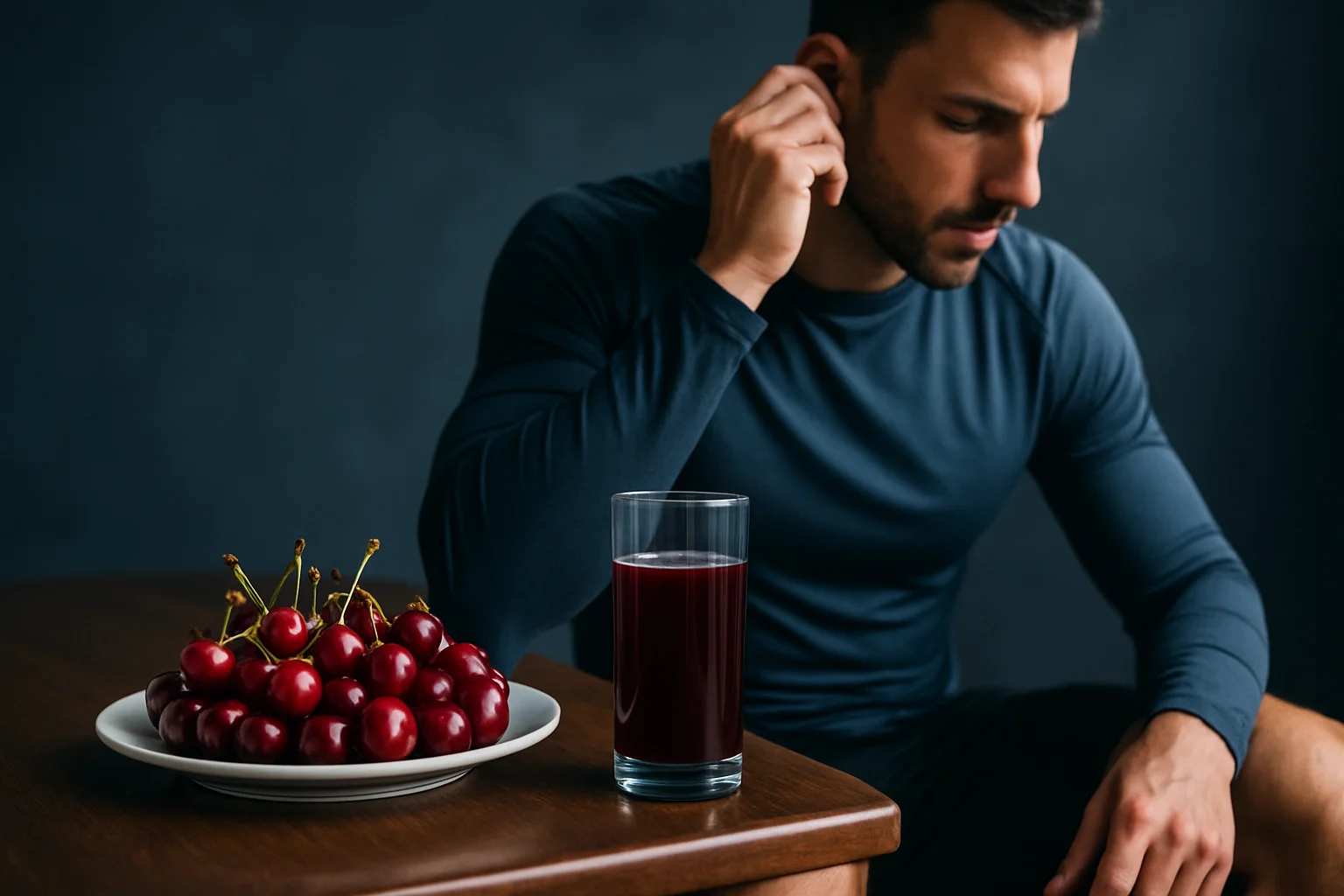
Did You Know? Using Cherry Juice Before Exercise Can Boost Recovery
Discover the science behind 'precovery' - taking cherry juice in the days leading up to exercise, not just after. A 2022 review reveals why timing matters and how concentrated tart cherry juice can significantly improve strength recovery and reduce muscle soreness.
Sleep Smarter: 20 Surprising Sleep Myths - Busted by Science
Think you know sleep? A rigorous Delphi-panel of sleep and circadian experts evaluated 24 common sleep beliefs and confirmed 20 as myths due to weak or contradictory evidence. Discover the truth behind these misleading sleep beliefs that could be undermining your health.
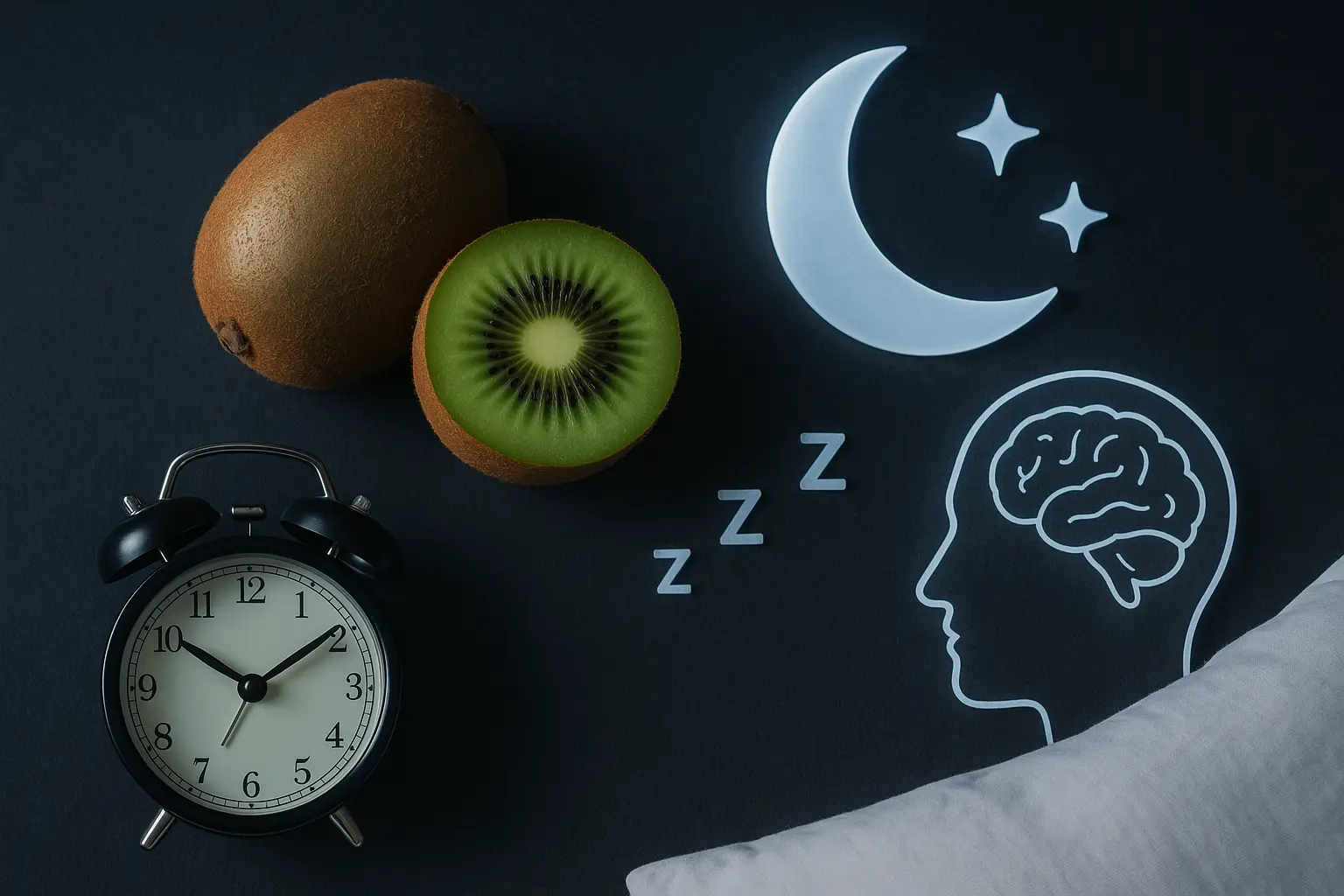
Discover the Sleep Boost from Eating Two Kiwifruit Before Bed
Recent clinical trials reveal that consuming two green kiwifruit about one hour before bedtime may naturally extend sleep duration and improve its quality by up to 60 minutes.