
Ultra-Processed vs Whole Foods: Which Diet Wins on Weight Loss?
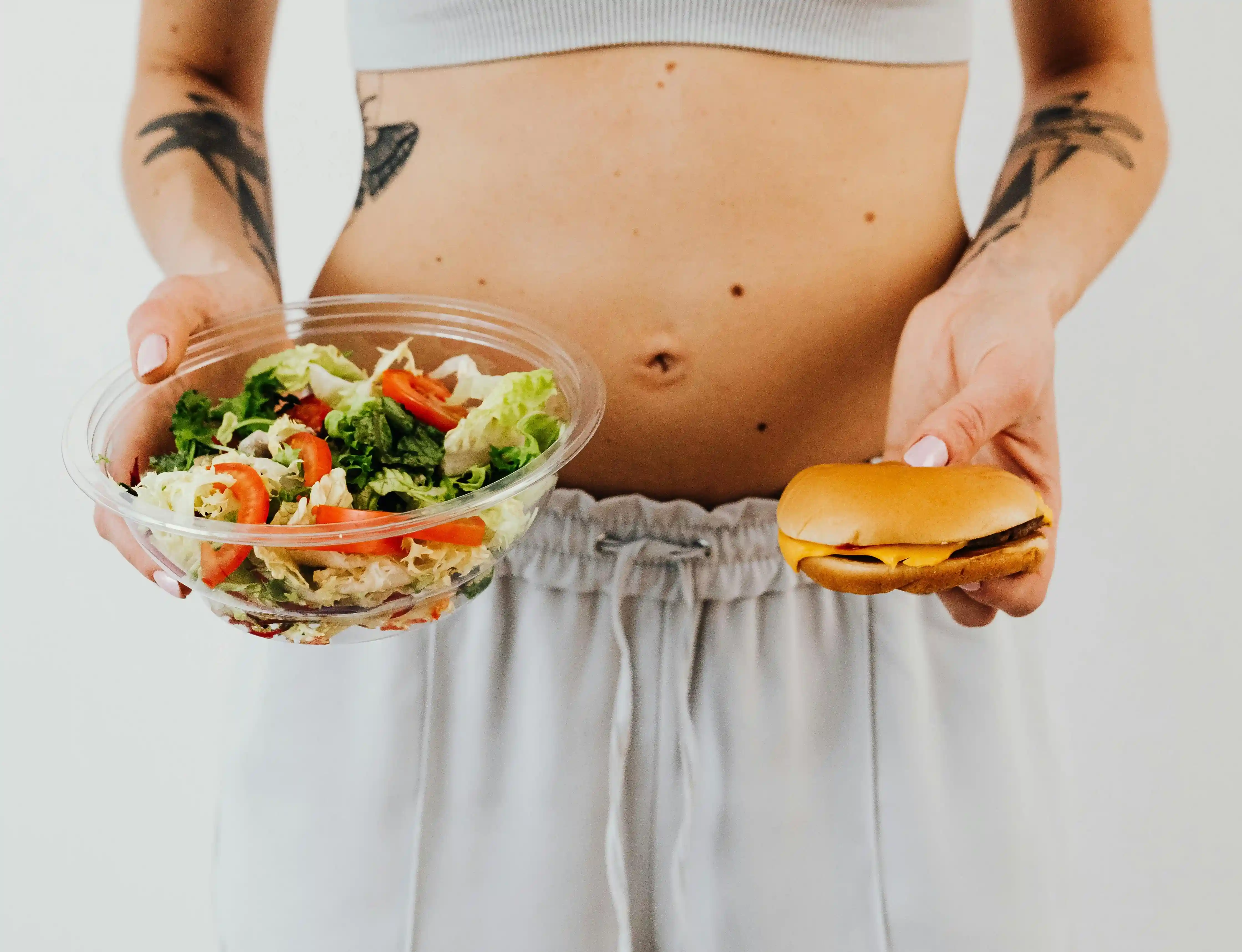
The nutritional advice seems straightforward enough: hit your calorie target, balance your macros, get enough protein and fiber, limit added sugar and salt. Follow those guidelines and weight management should follow predictable patterns. Within that framework, food sources often feel interchangeable. A hundred calories of ultra-processed protein bar versus a hundred calories of grilled chicken breast - if the protein, fat, and carbs match, the outcome should be the same, right?
Food scientists have been questioning that assumption for years. Ultra-processed foods - the products that dominate supermarket shelves, designed for shelf stability, convenience, and engineered palatability - behave differently in the body than minimally processed whole foods, even when you match them for calories and nutrients on paper.
But proving that requires a specific type of study. You need to feed people two different diets under controlled conditions. You need to match the nutrient composition precisely - same protein, same carbs, same fat, same fiber, same everything that appears on a nutrition label. Then you track what happens to their weight over weeks, knowing they're eating exactly what you provided.
Researchers in England did exactly that. They recruited adults with overweight who regularly consumed ultra-processed foods - a population representing common eating patterns, not health-conscious outliers. Each participant followed two 8-week diets in random order: one built around minimally processed whole foods, the other constructed from ultra-processed products. Critically, both diets were designed to meet the same healthy eating guidelines for macronutrients, fiber, fruits, vegetables, and sodium.
On paper, the diets looked nearly identical. In practice, weight loss differed significantly. Participants lost roughly twice as much weight on the whole foods diet despite the matched nutrient profiles. The difference wasn't subtle, and it challenges a foundational assumption many people make about weight management.
The Research Question: Does Food Processing Trump Nutrient Composition?
The study's primary objective was direct and practically important: determine whether dietary processing level affects weight loss when nutrient composition is controlled.
Specifically, researchers tested whether an 8-week minimally processed food diet would lead to different weight outcomes compared to an 8-week ultra-processed food diet when both diets:
- Met the same macronutrient targets (protein, carbohydrate, fat)
- Provided equivalent fiber content
- Included similar amounts of fruits and vegetables
- Limited salt to healthy levels
- Aligned with general healthy eating guidelines
Secondary objectives included monitoring gastrointestinal symptoms and exploratory cardiometabolic markers, but the primary focus was body weight change - the outcome most people care about when choosing a diet.
Why This Design Matters: Previous studies comparing processed vs whole foods often allowed the diets to differ in multiple ways simultaneously - different calories, different protein levels, different fiber content. This study isolated processing as the variable being tested by matching everything else nutritionists typically emphasize.
Study Design: Crossover Control With Matched Nutrients
Randomized Crossover Controlled Feeding Trial
The researchers used a randomized crossover design, one of the most powerful approaches for nutrition research. Each participant experienced both diets, eliminating variability from individual differences in genetics, metabolism, lifestyle, and baseline eating patterns.
Study structure:
| Phase | Duration | Diet |
|---|---|---|
| Phase 1 | 8 weeks | Either MPF or UPF (randomized) |
| Washout | 4 weeks | Habitual diet (self-selected) |
| Phase 2 | 8 weeks | The other diet (crossover) |
The 4-week washout period between interventions allowed participants to return to their normal eating patterns before starting the second diet phase, reducing carryover effects.
Participants: Real-World Eating Patterns
The study enrolled approximately 55 adults in England with characteristics reflecting common population patterns rather than idealized health-conscious volunteers:
- Body mass index: 25 or higher (overweight or obese)
- Baseline diet: Ultra-processed foods accounting for at least 50% of daily energy intake
- Demographics: Mixed age and gender distribution
This population selection is critical. These participants were already habitual consumers of ultra-processed foods, making the intervention realistic and the findings generalizable to people who might actually consider dietary changes for weight management.
Dietary Interventions: Matched Nutrients, Different Processing
Both diets were carefully constructed to meet healthy eating guidelines while differing primarily in processing level:
Minimally Processed Food (MPF) Diet
The MPF diet emphasized foods in or close to their natural state:
- Fresh fruits and vegetables
- Unprocessed or minimally processed meats and fish
- Whole grains and legumes
- Plain dairy products
- Nuts, seeds, and simple preparations
- Minimal ingredients lists, simple cooking methods
Ultra-Processed Food (UPF) Diet
The UPF diet consisted of industrially formulated packaged foods:
- Packaged ready-to-eat meals
- Processed meats and meat alternatives
- Refined grain products
- Sweetened dairy products
- Packaged snacks and convenience foods
- Multiple processing steps, additives, and reformulation
Critical distinction: The ultra-processed diet was NOT a "junk food" diet. Researchers deliberately designed it to meet the same nutritional targets as the whole foods diet:
| Nutritional Target | MPF Diet | UPF Diet |
|---|---|---|
| Protein | Matched | Matched |
| Carbohydrate | Matched | Matched |
| Fat | Matched | Matched |
| Fiber | Matched | Matched |
| Salt | Matched | Matched |
| Fruits & Vegetables | Matched | Matched |
This matching is what makes the study so powerful. Any differences in outcomes can't be attributed to protein intake, fiber content, or obvious dietary quality markers that nutrition labels capture.
Controlled Feeding: Eliminating Adherence Guesswork
All meals and snacks were provided to participants for the entire duration of each 8-week intervention. This approach:
- Eliminates adherence uncertainty - researchers know exactly what participants ate
- Removes confounding from food selection, purchasing, and preparation skills
- Ensures that observed differences reflect the diets themselves, not compliance variations
Participants were instructed to eat the provided foods ad libitum - meaning they could eat until satisfied, within the structure of the assigned diet. There was no calorie restriction mandate. This design tests whether the diets naturally lead to different spontaneous intake and weight outcomes.
Results: Processing Level Matters for Weight Loss
Weight Loss: Whole Foods Win Significantly
Both diets led to weight loss over the 8-week intervention periods, but the magnitude differed substantially:
| Diet Type | Weight Loss (%) | Relative Difference |
|---|---|---|
| Minimally Processed | ~2.06% | Reference |
| Ultra-Processed | ~1.05% | ~50% less weight loss |
| Between-Diet Difference | ~1.01% | p = 0.024 (statistically significant) |
In practical terms, participants lost approximately twice as much body weight on the minimally processed diet compared to the nutritionally matched ultra-processed diet.
The statistical significance (p = 0.024) indicates this difference is unlikely to have occurred by chance, and the effect size was moderate, suggesting practical relevance beyond statistical significance.
Real-World Translation: For someone weighing 200 pounds (91 kg), this difference represents roughly 2 additional pounds (0.9 kg) lost over 8 weeks on the whole foods diet. While that might seem modest, these are controlled, relatively short interventions. Over months or years, such differences could compound substantially.
Gastrointestinal Symptoms: Both Diets Had Mild Issues
Participants reported mild gastrointestinal symptoms during both diet phases:
- Neither diet was completely symptom-free
- Tolerability issues occurred on both MPF and UPF diets
- No clear advantage for either diet on digestive comfort
This finding is important because it suggests weight differences weren't simply due to one diet being harder to tolerate or causing digestive distress that limited intake. Both diets were reasonably well-tolerated from a gastrointestinal standpoint.
What the Science Actually Proves
Within the defined scope of this randomized crossover controlled feeding trial, the evidence firmly supports a clear conclusion:
When diets are matched for macronutrients, fiber, fruits, vegetables, and salt while both aligning with healthy eating guidelines, a minimally processed whole foods diet leads to significantly greater weight loss (approximately twice as much) compared to an ultra-processed food diet over 8 weeks in adults with overweight or obesity.
This demonstrates that food processing level independently influences weight outcomes, beyond what nutrient composition alone would predict. Calories and macros matter, but they don't tell the whole story about how foods affect body weight.
Why Do Whole Foods Lead to Greater Weight Loss?
Potential Mechanisms: Multiple Pathways
The study wasn't specifically designed to isolate mechanisms, but the consistent weight difference points to several plausible explanations for why processing level matters:
1. Eating Rate and Satiety Timing
- Whole foods require more chewing - increased oral processing time slows eating rate
- Ultra-processed foods are often "pre-chewed" - soft textures allow rapid consumption
- Slower eating allows satiety signals to register - hormonal feedback (CCK, GLP-1, PYY) takes 15-20 minutes to affect appetite
- Faster eating bypasses natural fullness cues - more food consumed before the brain registers "enough"
2. Energy Density and Volume
- Whole foods often have lower energy density - more water and fiber per calorie
- Greater food volume for the same calories - physical stomach distension contributes to fullness
- Ultra-processed foods pack more calories in smaller volume - easier to overconsume without feeling overly full
3. Digestive Processing and Absorption
- Whole foods require more digestive work - thermic effect of food may be higher
- Fiber and food matrix slow absorption - more gradual glucose and insulin responses
- Ultra-processed foods are pre-digested industrially - less metabolic work required, potentially more efficient calorie extraction
4. Palatability and Hedonic Drive
- Ultra-processed foods are engineered for "bliss point" - optimal combinations of salt, sugar, fat that override satiety
- Enhanced palatability can drive intake beyond energy needs - hedonic (pleasure-driven) eating vs homeostatic (need-driven) eating
- Whole foods have less extreme flavor engineering - satiety cues may function more normally
Related Evidence: Spontaneous Calorie Reduction
Previous controlled feeding studies by Kevin Hall and colleagues at the NIH showed that when people are allowed to eat ad libitum on ultra-processed vs unprocessed diets, they spontaneously consume approximately 500 more calories per day on the ultra-processed diet, despite matched macronutrients.
This trial's results align with that pattern. Even though both diets met healthy eating guidelines, the whole foods diet likely led to lower spontaneous energy intake, driving greater weight loss without participants consciously restricting calories.
What This Study Does NOT Prove
To avoid overinterpretation and clearly define the evidence boundaries:
Not Claimed: Ultra-Processed Foods Always Cause Weight Gain
The study compared two controlled diets. It does not prove that consuming ultra-processed foods inevitably leads to weight gain compared to habitual unrestricted eating or that eliminating ultra-processed foods guarantees weight loss in all contexts.
Not Established: Long-Term Outcomes Beyond 8 Weeks
The intervention lasted 8 weeks per diet phase. Whether the weight loss difference persists, widens, or narrows over months or years is unknown. Long-term sustainability, weight maintenance, and metabolic adaptation were not assessed.
Not Proven: Specific Cardiometabolic Benefits
While weight loss itself improves metabolic health, the study did not establish that the minimally processed diet produced superior outcomes for specific markers like LDL cholesterol, HbA1c, blood pressure, or inflammatory markers as primary endpoints.
Not Tested: Free-Living Real-World Conditions
All food was provided in controlled feeding conditions. Whether similar results occur when people shop for, prepare, and select their own meals in unrestricted environments - with cost, time, convenience, and social factors in play - is a separate question requiring different study designs.
Practical Implications for Weight Management
Food Quality Matters, Not Just Macros and Calories
For individuals focused on weight loss or weight management, this study challenges the reductionist "calories in, calories out" and "if it fits your macros" mentality:
- Meeting protein targets helps, but protein source (whole food vs ultra-processed) may matter
- Hitting fiber goals is important, but fiber from whole foods vs added fiber in processed products may differ
- Calorie matching is relevant, but calorie source (processing level) influences spontaneous intake and weight outcomes
Prioritizing whole, minimally processed foods appears to support weight loss more effectively than relying on ultra-processed products engineered to look healthy on nutrition labels.
Practical Strategies for Reducing Ultra-Processed Foods
Translating these findings into real-world behavior requires practical approaches:
- Shop the perimeter of grocery stores - where fresh produce, meats, and dairy are typically located
- Read ingredient lists, not just nutrition facts - long ingredient lists with unfamiliar chemicals signal higher processing
- Batch cook whole foods - prepare larger quantities to have convenient whole-food options available
- Focus on food preparation, not just food selection - even simple cooking (roasting vegetables, grilling chicken) counts as minimally processed
- Gradual substitution rather than elimination - replace one ultra-processed staple at a time with whole food alternatives
- Prioritize whole foods for satiety - use minimally processed proteins, vegetables, and whole grains as meal foundations
Small Differences Compound Over Time
A 1% body weight difference over 8 weeks might seem modest in isolation. But sustained over 6 months, a year, or longer, this difference becomes substantial:
- 8 weeks: ~2 pounds additional loss
- 6 months: potentially ~6 pounds additional loss
- 1 year: potentially ~12 pounds additional loss
Weight management is a marathon, not a sprint. Consistent small advantages accumulate into meaningful long-term differences.
Structure and Environment Enable Success
The study provided all food to participants, which dramatically improved adherence and eliminated decision fatigue. This highlights practical realities:
- Meal planning in advance reduces reliance on ultra-processed convenience foods
- Having prepared whole foods available competes with ultra-processed default options
- Food environment (what's in your kitchen, workplace, car) shapes choices more than willpower
Reducing ultra-processed food intake is easier when whole food meals are structured, prepared, and accessible rather than decided under time pressure when hungry.
Study Limitations Worth Noting
Crossover Design Carryover Effects
Although a 4-week washout period was included, crossover designs always carry the possibility of residual effects from the first intervention phase. Participants might have retained behavioral changes, microbiome alterations, or metabolic adaptations that influenced the second phase. Statistical methods can partially account for this, but complete elimination is impossible.
Short Duration Limits Long-Term Insights
Eight weeks is sufficient to detect weight changes but too short to assess:
- Long-term weight maintenance and rebound
- Metabolic adaptation and plateau effects
- Sustainability and adherence over months or years
- Development or reversal of chronic disease outcomes
Controlled Feeding vs Free-Living Conditions
Providing all food eliminates many real-world challenges:
- Cost considerations - whole foods often cost more than ultra-processed alternatives
- Time and cooking skills - preparation demands vary dramatically
- Social and family factors - coordinating meals with others' preferences
- Food environment - availability and accessibility in different settings
Whether similar weight loss differences occur when people navigate these real-world barriers is unknown and likely varies by individual circumstances.
Population Specificity
Participants were adults with overweight/obesity who habitually consumed ultra-processed foods. Results may differ for:
- Individuals at healthy weight
- People who rarely consume ultra-processed foods at baseline
- Different age groups or metabolic conditions
The Bigger Picture: Nutrient Reductionism vs Food Matrix
This study exemplifies a critical debate in nutrition science: whether foods can be adequately understood by analyzing isolated nutrients (protein, fat, carbs, fiber) or whether the food matrix - the complex structure, processing history, and interactions between components - matters independently.
For decades, nutrition guidance focused primarily on nutrients: "reduce fat," "increase fiber," "watch your sodium." Foods were treated as delivery vehicles for nutrients, interchangeable as long as the nutrient profile matched. This framework enabled fortification, reformulation, and the creation of ultra-processed products designed to meet nutritional guidelines on paper.
But growing evidence, including this trial, suggests that nutrient composition alone doesn't fully capture how foods affect the body. Processing level, food structure, eating rate, sensory properties, and the intact food matrix all influence physiological responses in ways that nutrition labels don't reflect.
This doesn't mean nutrients don't matter - protein, fiber, and micronutrients remain important. But it suggests that the source and form of those nutrients matter too. A gram of fiber in an intact apple differs from a gram of added fiber in a processed breakfast bar, even if they look identical on a label.
Summary: Processing Level Matters for Weight Management
This randomized crossover controlled feeding trial provides compelling evidence challenging common assumptions about weight loss.
Primary finding: Adults lost significantly more weight (approximately 2.06% vs 1.05% over 8 weeks, roughly twice as much) on a minimally processed whole foods diet compared to a nutritionally matched ultra-processed foods diet, despite both diets meeting healthy eating guidelines for macronutrients, fiber, fruits, vegetables, and salt.
Mechanism: Food processing level independently affects weight outcomes beyond nutrient composition, likely through multiple pathways including eating rate, energy density, digestive processing, satiety signaling, and palatability-driven intake regulation. Whole foods appear to naturally reduce spontaneous energy intake even without conscious calorie restriction.
Practical implication: For weight management, prioritizing whole, minimally processed foods delivers better results than relying on ultra-processed products engineered to meet nutritional targets on paper. Food quality and processing level matter, not just calories and macronutrient ratios. Structure meals around whole food foundations, plan and prepare in advance to make minimally processed options convenient, and recognize that small consistent advantages compound over time.
Bottom line: Hitting your protein target with ultra-processed protein bars versus grilled chicken, meeting fiber goals with fortified cereals versus vegetables and whole grains, or matching calories with packaged meals versus home-cooked whole foods - these choices are NOT equivalent for weight management, even when the nutrition labels look similar. Processing matters. Food matrix matters. How your body responds to food depends not just on what nutrients it contains, but on how those nutrients are packaged, processed, and presented. Weight loss isn't just about what you eat on paper. It's also about how that food is made, how fast you can eat it, and how your satiety systems respond to its structure. Choose whole foods when possible, not just because they're "healthier" in some abstract sense, but because they demonstrably produce better weight outcomes even when nutritional composition is matched.
References and Further Reading
- Hall KD, Ayuketah A, Brychta R, et al. Ultra-processed diets cause excess calorie intake and weight gain: an inpatient randomized controlled trial of ad libitum food intake. Cell Metabolism. 2019;30(1):67-77. PMID: 31105044
- Monteiro CA, Cannon G, Levy RB, et al. Ultra-processed foods: what they are and how to identify them. Public Health Nutrition. 2019;22(5):936-941. PMID: 30744710
- Pagliai G, Dinu M, Madarena MP, Bonaccio M, Iacoviello L, Sofi F. Consumption of ultra-processed foods and health status: a systematic review and meta-analysis. British Journal of Nutrition. 2021;125(3):308-318. PMID: 32792031